Keeping your garage door in excellent condition is a key responsibility of homeownership. A garage door is more than a simple access point—it is a complex mechanical system that safeguards your home, vehicles, and valuables. Without consistent care, even well-built doors can develop problems that result in noise, safety concerns, or expensive repairs. Homeowners who prioritize preventive maintenance are far less likely to face unexpected breakdowns. By following proven upkeep strategies, you can ensure long-term reliability, quiet operation, and efficient performance, helping keep your garage door running smoothly throughout the year.
Content
Regular Inspections to Keep Your Garage Door Running Smoothly
Routine inspections are the foundation of proper garage door maintenance. At least once a month, visually examine your garage door system while it is closed and open.
Look closely at the springs, cables, rollers, tracks, and hinges. These components handle heavy tension and constant movement, making them prone to wear over time. Frayed cables, rusted hardware, or bent tracks are clear warning signs that require immediate attention.
In addition to visual checks, operate the door manually to test balance and smooth movement. A door that jerks, sticks, or makes grinding noises is often signaling an underlying issue. Addressing small problems early is the best way to keep your garage door running smoothly and avoid major repairs.
Lubricate All Moving Parts Properly
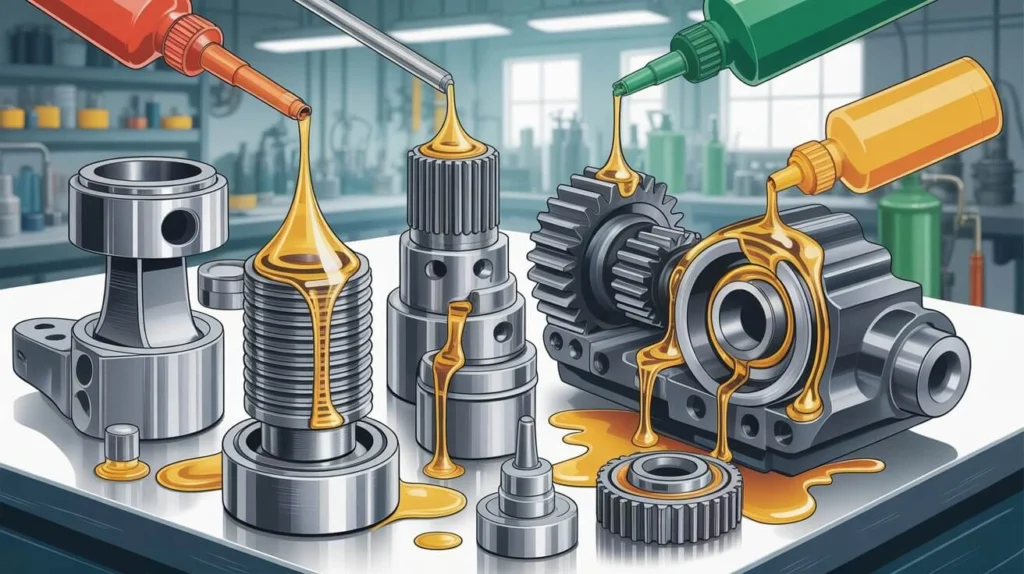
Lubrication plays a critical role in extending the lifespan of your garage door system. Without proper lubrication, friction increases, causing parts to wear down faster and leading to noisy operation.Apply a high-quality garage door lubricant to:
Rollers and hinges
Springs (torsion or extension)
Bearing plates
Tracks (light coating only)
Avoid using thick grease, as it attracts dust and debris. Instead, opt for a silicone-based or lithium-based spray made specifically for garage doors. Proper lubrication minimizes friction, prevents corrosion, and plays a key role in keeping your garage door running smoothly in all seasons.
Tighten Loose Hardware and Fasteners
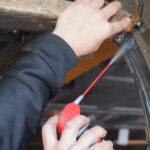
Garage doors move hundreds of times each year, which naturally causes nuts, bolts, and brackets to loosen. Loose hardware can lead to vibrations, rattling noises, and misalignment.Using a socket wrench, carefully tighten:
Roller brackets
Track supports
Hinge bolts
Mounting brackets
Be cautious not to overtighten, as this can strip threads or damage components. Keeping hardware secure helps maintain structural integrity and supports smooth, safe operation.
Keep the Tracks Clean and Aligned
Dirty or misaligned tracks are a common reason garage doors stop working efficiently. Dust, leaves, and hardened grease can interfere with roller movement, creating resistance.
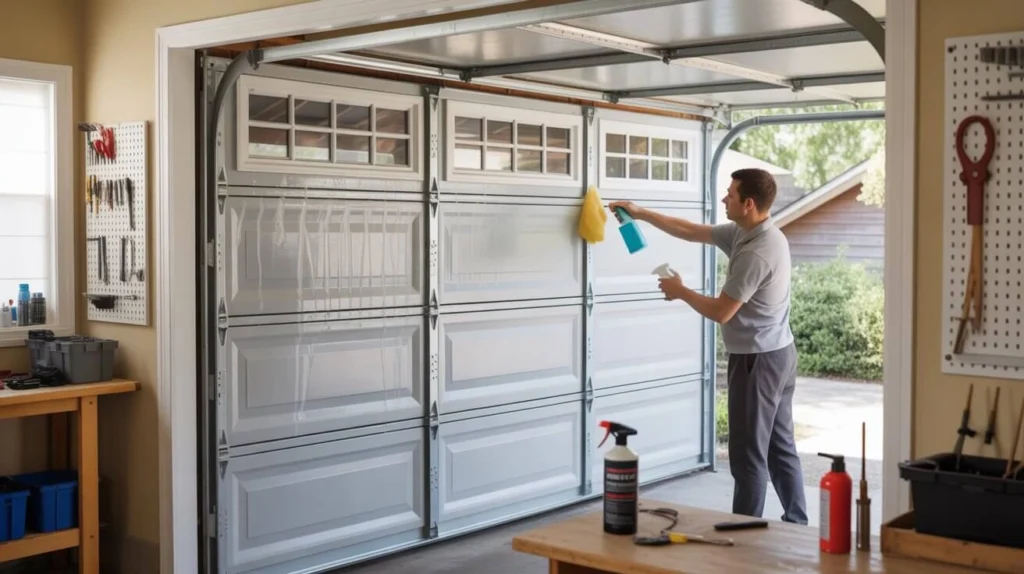
Clean the tracks using a damp cloth to remove debris. Avoid applying heavy lubricant directly inside the tracks, as rollers are designed to roll—not slide. If you notice gaps, bends, or misalignment, it’s best to contact a professional technician. Proper track alignment is essential for keeping your garage door running smoothly and preventing uneven wear.
Test Safety Features and Auto-Reverse Function
Modern garage doors include built-in safety mechanisms that protect people, pets, and vehicles. These features must be tested regularly to ensure proper operation.To test the auto-reverse function:
Place a solid object (like a wooden block) under the door.
Close the door using the opener.
The door should immediately reverse upon contact.
Also, check the photo-eye sensors located near the floor. Clean the lenses and ensure they are aligned. Malfunctioning safety features can cause accidents and strain the opener, disrupting smooth performance.
Replace Worn Rollers for Quieter Operation
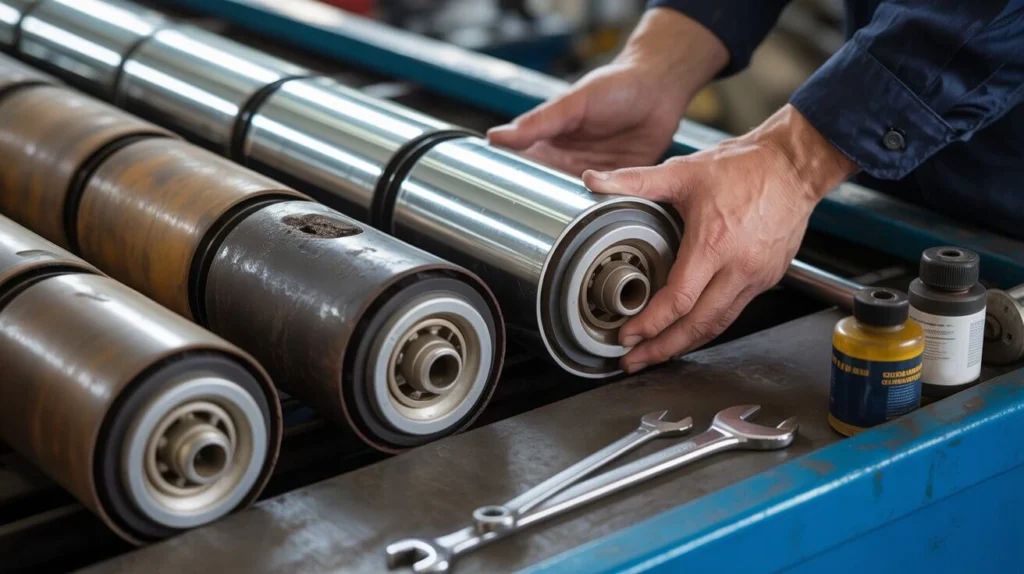
Rollers are responsible for guiding the door along the tracks. Over time, worn or damaged rollers can create excessive noise and jerky movement.Steel rollers with worn bearings or cracked nylon rollers should be replaced promptly. Upgrading to high-quality nylon rollers with sealed bearings can significantly reduce noise and friction. This simple upgrade is one of the most effective ways to keep your garage door running smoothly and quietly.
Maintain the Garage Door Opener System
The Garage door opener is the motorized heart of your garage door system. To ensure consistent performance, inspect the opener’s chain or belt drive for proper tension and wear.Check the remote controls, wall switches, and backup battery (if equipped). A poorly maintained opener can cause slow response times and uneven door movement. Routine servicing helps maintain reliable operation and reduces unnecessary strain on the door itself.
Weather Protection Tips for a Garage Door Running Smoothly
Temperature changes can impact your garage door’s performance. Cold weather can cause metal parts to contract, while heat can affect lubrication and alignment.Inspect weather stripping along the bottom and sides of the door. Damaged seals allow moisture, dirt, and pests to enter, which can affect door balance and track condition. Replacing worn weather seals improves insulation and supports smoother operation throughout the year.
Schedule Professional Maintenance Annually
While DIY maintenance is important, professional inspections provide a deeper level of care. Trained technicians can safely adjust spring tension, identify hidden issues, and fine-tune components you may overlook.Annual servicing ensures every part is operating within safe limits and helps extend the lifespan of your system. Professional maintenance is a smart investment if your goal is keeping your garage door running smoothly without unexpected interruptions.
Final Thoughts on Garage Door Care
A garage door is one of the most frequently used systems in your home, yet it’s often overlooked until something goes wrong. Consistent inspections, proper lubrication, hardware tightening, and safety testing all play vital roles in long-term performance.
By staying proactive and addressing minor issues early, you can avoid costly repairs and enjoy quiet, dependable operation. Whether you handle basic upkeep yourself or rely on professional support, following these best practices will keep your garage door running smoothly for many years to come.
FAQs
How to make a garage door run smoothly?
Ensure proper balance, replace worn rollers, keep tracks aligned, and schedule annual professional servicing for consistent performance.
How to make a garage door open and close smoothly?
Check opener settings, tighten loose hardware, and confirm the door is properly balanced to allow steady opening and closing.
Why is my garage door not running smoothly?
Common causes include worn rollers, loose components, track misalignment, or opener issues that disrupt normal movement.
How do I reset my garage door safety sensor?
Turn off the opener, realign the sensors until lights are steady, then restore power and test door operation.
Meet Jack, our garage guru. With a wrench in one hand and a can-do attitude in the other, he’s your go-to expert for all things repair and replacement.