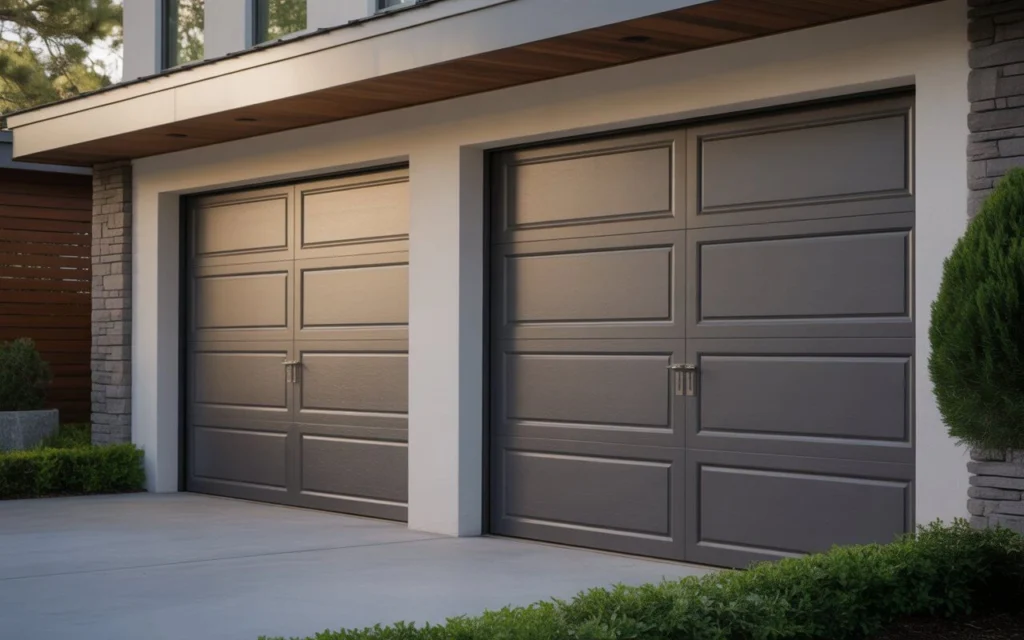
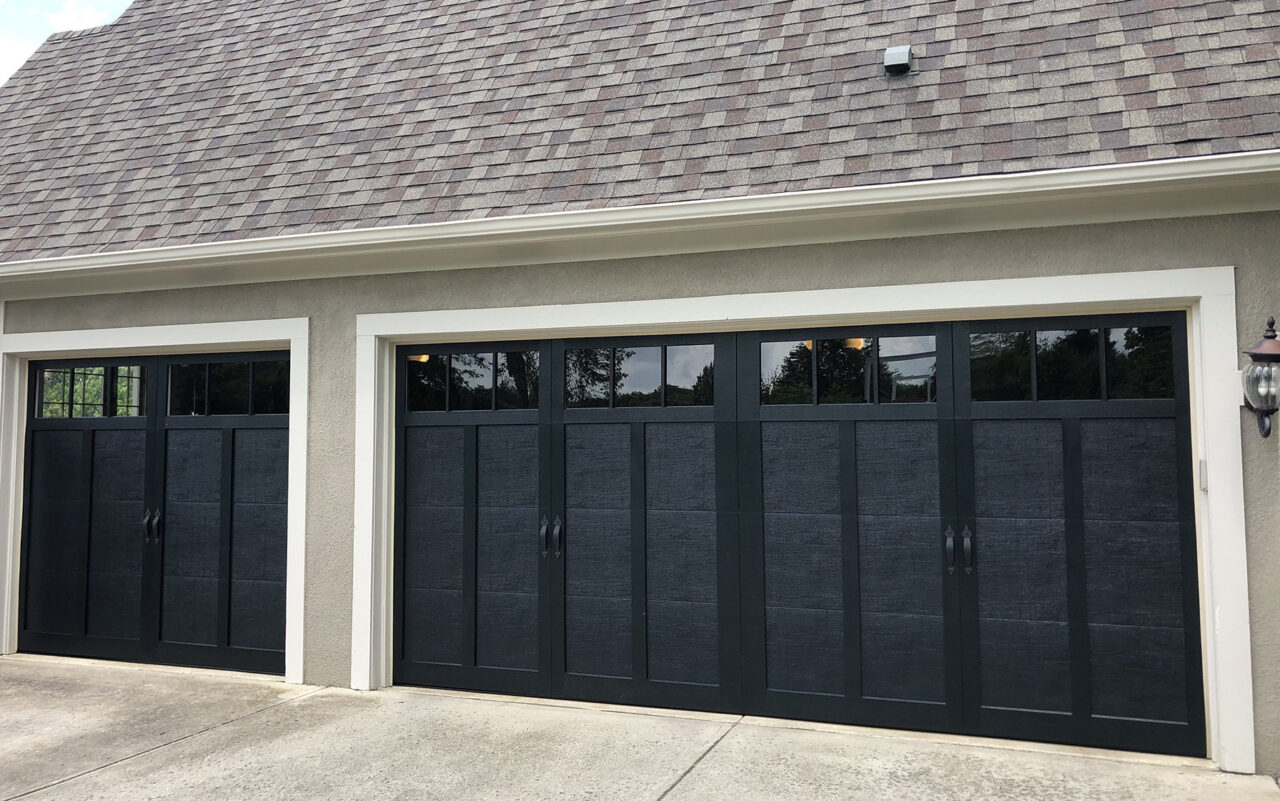
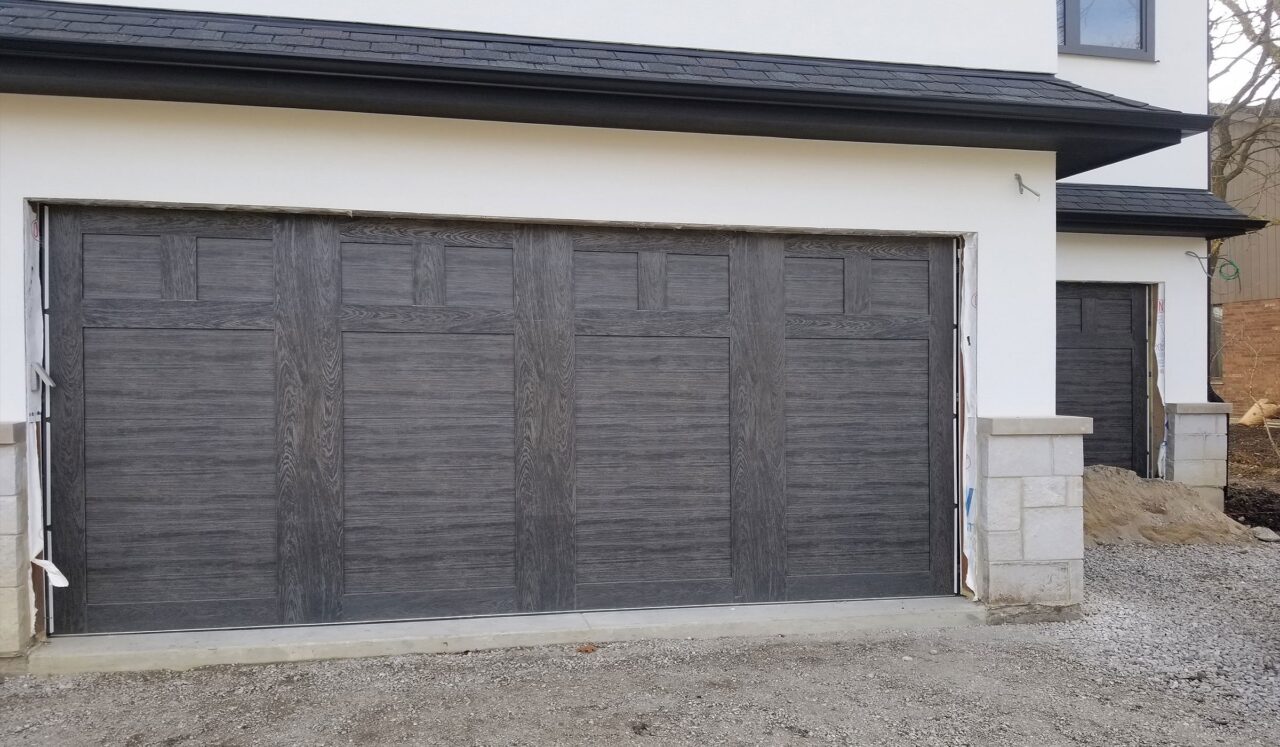
When it comes to upgrading your garage, most homeowners think about aesthetics or security first. But if you’ve ever stepped out of a warm car into a freezing garage or struggled with an overly hot space during summer, you know the real game-changer: insulated garage doors. As a digital garage door expert, I’ve seen firsthand how upgrading to an insulated door transforms not just comfort, but also energy efficiency and long-term home value.In this article, we’ll explore the benefits, types, and practical tips for choosing the right insulated garage door. Along the way, we’ll include real-life use cases and a case study that highlights how homeowners are saving money and improving comfort.
Content
What Are Insulated Garage Doors?
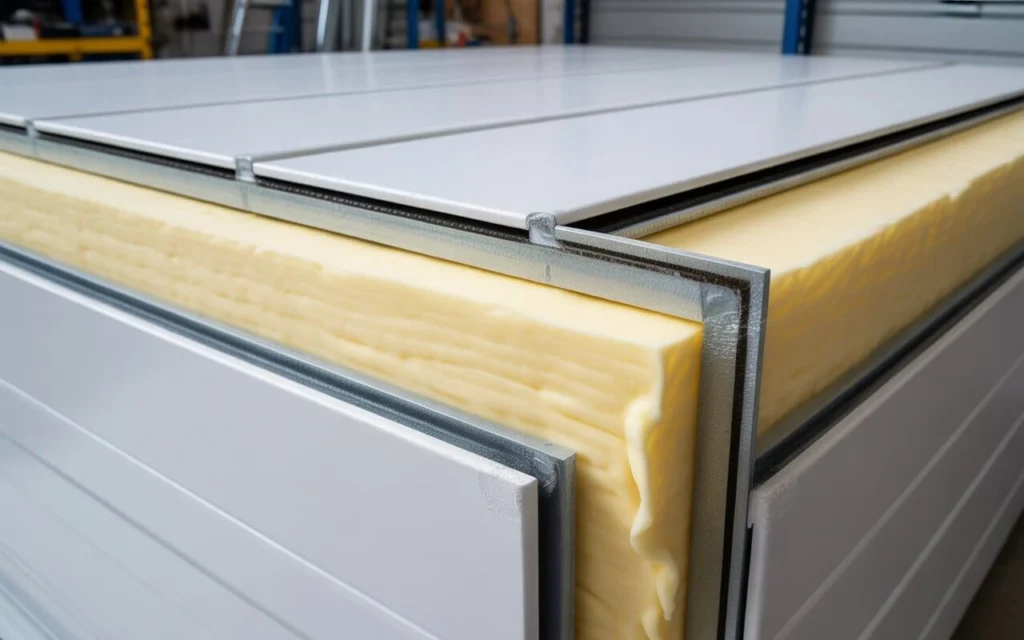
At its core, an insulated garage doors is designed to regulate temperature and reduce energy loss. Unlike traditional non-insulated doors that are mostly hollow or thin steel, insulated doors are constructed with multiple layers:
Outer steel panel for durability
Insulation layer made of polyurethane or polystyrene
Inner steel or composite layer for added structural support
This combination improves the R-value of your garage door, which measures thermal resistance. The higher the R-value, the better your door keeps the interior temperature stable.
Benefits of Insulated Garage Doors
Upgrading to an insulated garage door offers several key benefits that go beyond just comfort:
1. Energy Efficiency and Cost Savings
One of the most practical advantages is energy efficiency. Insulated garage doors reduce heat loss in winter and prevent heat gain in summer, which can help lower your heating and cooling bills. For homeowners who use their garage as a workspace or connect it to the home via a door, this energy saving is significant.Energy-efficient garage doors, garage door climate control, benefits of insulated garage doors for energy efficiency
2. Noise Reduction
If your garage is attached to your home, you know how echo-y noises from garage doors can be. Insulated doors act as a buffer, reducing the sound of the motor, wind, and outdoor noise. This is especially helpful in suburban areas where quiet is a priority.
3. Increased Durability and Security
The added layers of insulated garage doors make them more rigid and resistant to dents, impacts, and even intrusions. Unlike thin non-insulated doors, these doors can withstand strong winds and minor accidents without compromising structural integrity.
4. Improved Comfort for Garage-Based Activities
From home gyms to woodworking spaces, an insulated garage door makes your garage more versatile. You no longer have to worry about extreme temperatures interfering with your hobbies or projects.
Use case: One client of mine, a small furniture maker, converted his garage into a woodworking studio. After installing an insulated sectional door with high R-value, he reported a 40% reduction in winter heating costs and significantly improved working comfort.
Types of Insulated Garage Doors
Insulated garage doors come in several types, each with unique advantages. Choosing the right one depends on your priorities and budget:
1. Polystyrene Insulation
Polystyrene panels are lightweight and cost-effective. They provide basic thermal insulation and moderate noise reduction. These are ideal if your garage is primarily used for parking and storage.
2. Polyurethane Insulation
Polyurethane is denser and provides a higher R-value, making it the most energy-efficient option. These doors are quieter, more rigid, and often come with a better seal against air leaks.
3. Insulated Steel vs Wood
Steel doors with insulation offer durability and low maintenance, while wood doors provide aesthetic appeal but require more care. Composite doors combine the best of both worlds, with minimal maintenance and superior insulation. Thermal garage door insulation, insulated sectional doors
How to Choose the Right Insulated Garage Door
Selecting the right insulated garage door involves considering multiple factors:
R-Value: Higher R-values mean better insulation. For cold climates, choose doors with R-values of 12 or more.
Garage Use: Are you using the garage as a workshop, gym, or office? More frequent use requires better insulation.
Climate Considerations: Homes in hot or cold regions benefit more from insulated doors.
Budget: Insulated doors are more expensive upfront, but the long-term savings in energy costs and reduced maintenance make them worth it.
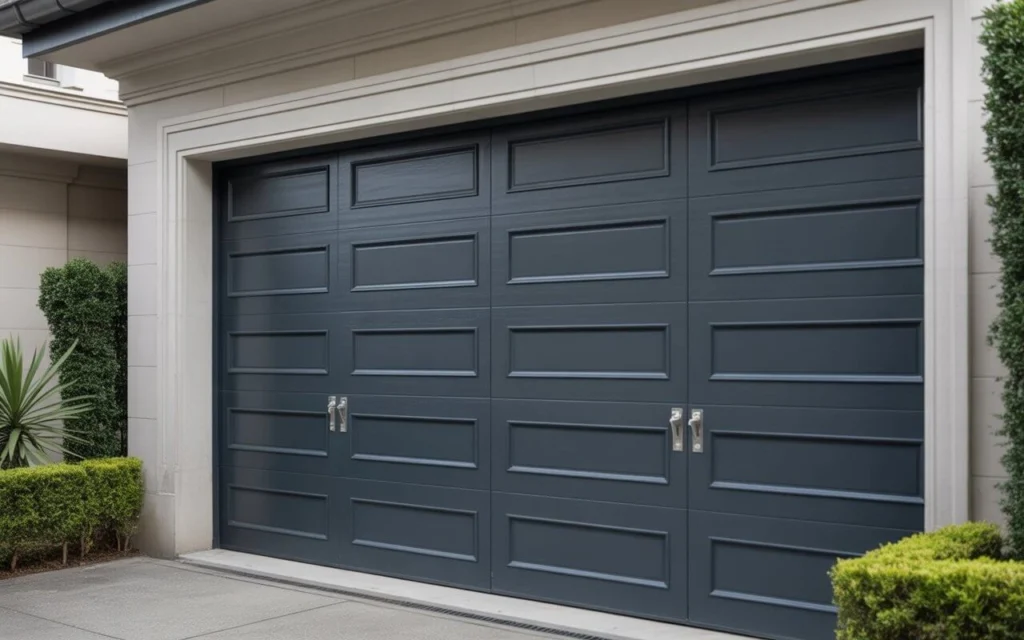
Aesthetic Preferences: Choose colors, panels, and finishes that match your home exterior.
How to choose insulated garage doors for your home, best insulated garage door for cold climates
Real-Life Case Study: The Martins’ Garage Transformation
The Martins, a family in Minnesota, were tired of their garage being freezing in the winter and sweltering in the summer. They had a standard non-insulated door for 15 years, which caused heat loss in the winter and energy inefficiency.After consulting a digital garage door expert, they installed a polyurethane-insulated sectional garage door with a high R-value. Here’s what happened:
Energy bills decreased by 30% within the first year
Noise from traffic and garage operations dropped significantly
The garage became usable year-round for hobbies and storage
Long-term ROI was achieved in under 5 years due to energy savings and durability
This case clearly illustrates how an insulated garage door can improve comfort, efficiency, and home value.
Final Thoughts
Investing in insulated garage doors is more than just a home upgrade—it’s a smart, long-term decision that improves comfort, boosts energy efficiency, and increases overall property value. Whether you live in a colder climate, use your garage as a workspace, or simply want quieter operation, upgrading to an insulated door delivers noticeable benefits.
When selecting the right option, focus on key factors like R-value, how you use your garage, and your local climate conditions. Combining these with durable materials such as polyurethane insulation and strong steel or composite panels ensures lasting performance. To further enhance functionality, consider adding a garage door screen, which allows fresh air in while keeping insects and debris out—perfect for turning your garage into a more versatile living or working space.
With the right setup, your garage can become a comfortable, energy-efficient extension of your home for years to come. If you’re ready to upgrade, consult a trusted garage door expert and explore the best insulated solutions tailored to your needs.
FAQs
Average cost of insulated garage doors?
Typical insulated doors cost more upfront but save on energy over time.
How to tell if garage doors are insulated?
Check door thickness or look for foam/polyurethane panels inside.
Three main types of garage doors?
Steel, wood, and composite doors each offer different durability and style.
Cost of a 12×12 insulated garage door?
Expect $1,000–$2,500 depending on insulation type and materials.
Do insulated doors increase home value?
Yes, especially for energy efficiency and improved comfort.