Owning a home means staying on top of every detail that keeps your property safe, functional, and visually appealing. Among all the essential features in your home, your garage door plays a major role in convenience, security, and day-to-day usability. Yet, many homeowners overlook how important regular care is until something breaks. Practicing consistent Garage Door Maintenance helps you avoid sudden breakdowns, costly repairs, and safety risks. With the right steps, your door can operate smoothly for many years.Below is an expanded, in-depth guide packed with helpful tips, expert insights, and preventive care strategies worth adopting.
Content
Understanding the Value of Consistent Garage Door Maintenance
Your garage door is one of the largest moving systems in your home, and it’s used several times a day. Each cycle involves springs, rollers, hinges, cables, and many other components working together. Without proper upkeep, wear and tear slowly affects performance and safety. Regular Garage Door Maintenance not only increases the lifespan of the entire system but also reduces unexpected failures.
Keeping a routine also provides:
Better security for your home
Reduced noise and smoother operation
Lower repair costs over time
Safety for family members using the door every day
When you maintain your garage door consistently, you protect your investment while ensuring reliable operation throughout the year.
Inspect Hardware for Tightness and Stability
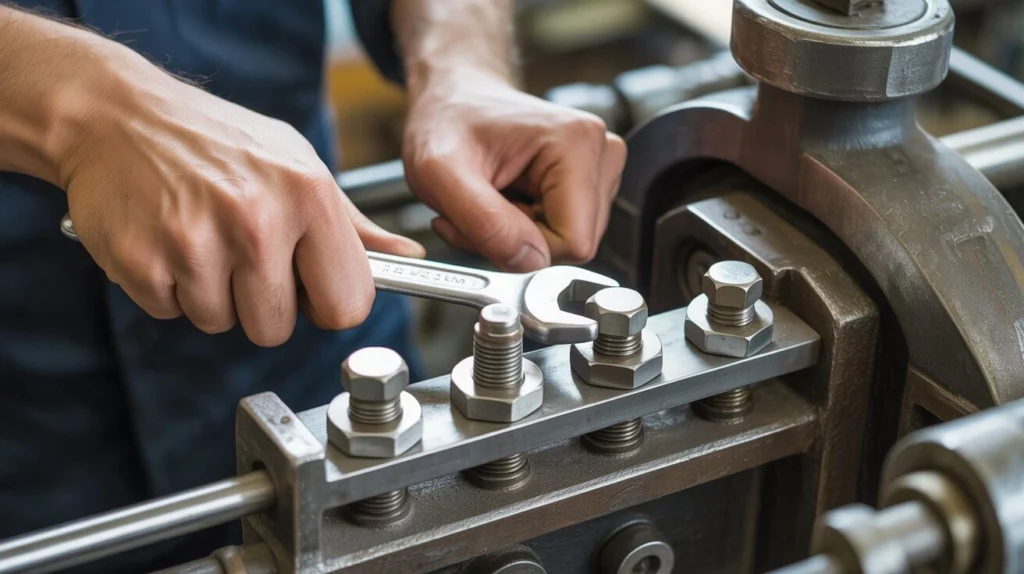
Your overhead door completes thousands of up-and-down cycles every year, causing vibration that can loosen nuts, bolts, and brackets over time. One of the easiest yet most important Garage Door Maintenance habits is checking hardware tightness.
What to Inspect Regularly
Roller brackets
Hinge bolts
Track fasteners
Back-hanging supports
Opener mounting brackets
Struts attached to the garage door
A simple tightening with a wrench or screwdriver can prevent parts from becoming misaligned or falling off. If your schedule is tight or you’re not comfortable doing it yourself, calling a professional is a smart choice. Homeowners in major cities often search terms like garage door repair service Los Angeles or garage door repair & installation in San Francisco to find reliable technicians nearby.
Lubricate the Moving Components for Smooth Operation
Your garage door contains dozens of moving parts that require periodic lubrication to reduce friction and noise. This is one of the most effective steps in Garage Door Maintenance, keeping the system performing quietly and efficiently.
Where to Apply Lubrication
Hinges
Rollers
Door springs
Opener rails
Drive screw or chain
Bearings and pulleys
Use a high-quality silicone or lithium-based spray lubricant. Avoid using WD-40 as a primary lubricant—it’s a cleaner, not a long-term lubricant. Proper lubrication also reduces strain on the opener, extending its life.
Check and Test the Garage Door’s Balance
A properly balanced garage door is essential for smooth movement. When the balance is off, the opener is forced to work harder, which eventually leads to premature motor failure or cable damage.
How to Check Balance Safely
Disconnect the opener by pulling the emergency release cord.
Move the door halfway up manually.
If the door stays in place, it’s balanced.
If it falls or shoots upward, it’s unbalanced and needs adjustment.
Balancing a door involves the tension of the springs—something that should never be DIY-handled due to safety risks. If you notice difficulty opening or closing the door, uneven movement, or unusual sounds, call a professional immediately.
Look for Signs of Wear and Damage
Even if your garage door is operating normally, certain components may be weakening behind the scenes. Inspecting visible parts is an essential component of responsible Garage Door Maintenance.
What to Look For
Cracked or frayed cables
Bent or rusted tracks
Broken weatherstripping
Damaged panels
Worn rollers
Loose or missing screws
Rust on springs or metal parts
Replace worn rollers and weatherstripping promptly, and always schedule professional inspections if you notice spring damage—torsion springs can be hazardous.
Inspect and Replace Weather Seals for Protection
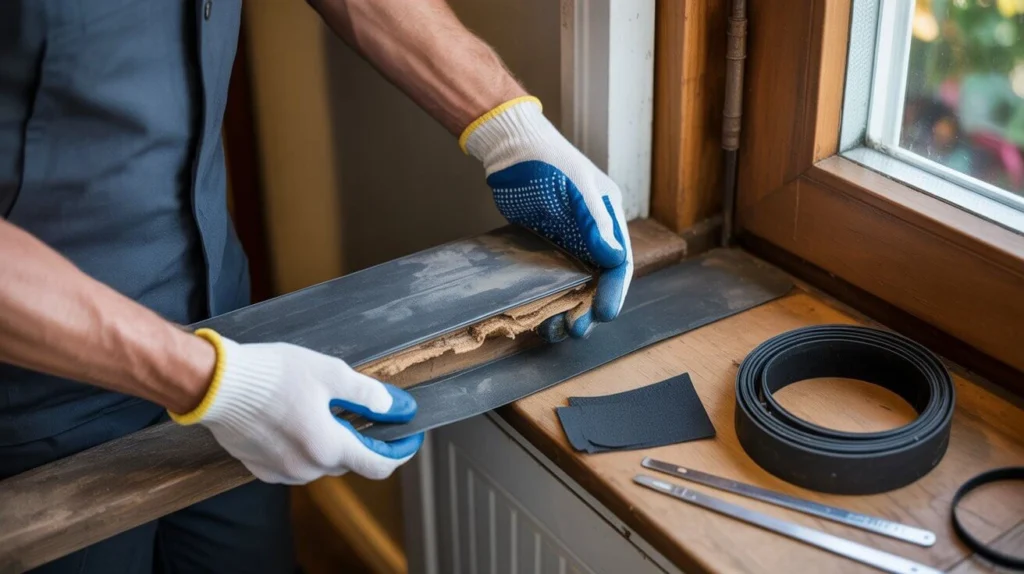
Weather seals play a crucial role in protecting your garage from dust, water, pests, and temperature fluctuations. A worn or cracked seal compromises insulation and puts more pressure on your heating and cooling systems.
Areas to Inspect
Bottom seal
Side seals
Top frame seals
Replacing these seals is simple and inexpensive yet significantly boosts your home’s energy efficiency. Incorporating this step into your Garage Door Maintenance routine offers long-term comfort.
Perform a Visual Check of Springs and Cables
Springs and cables withstand enormous tension daily, so they require regular visual checks. You should never attempt to adjust or repair springs yourself—they can cause severe injury if mishandled.
Warning Signs to Look For
Gaps in torsion springs
Rust or corrosion
Fraying cables
Uneven door movement
If you spot any issues, call a professional technician immediately.
Examine and Maintain Your Garage Door Opener
Your opener is the heart of your garage door system, and it needs periodic inspection and care.
Opener Maintenance Checklist
Test the remote battery
Check the antenna for proper signal
Listen for motor noise
Ensure the opener is securely mounted
Reset the settings if needed
If your opener is older than 10–15 years, upgrading to a modern smart opener may improve security, convenience, and energy efficiency.
Clean the Garage Door Itself for Better Longevity
Dust, dirt, moisture, and pollutants can cause premature wear on panels. Integrating door cleaning into your Garage Door Maintenance plan helps maintain durability.
Cleaning Tips
Use mild soap and warm water
Avoid abrasive chemicals
Rinse thoroughly
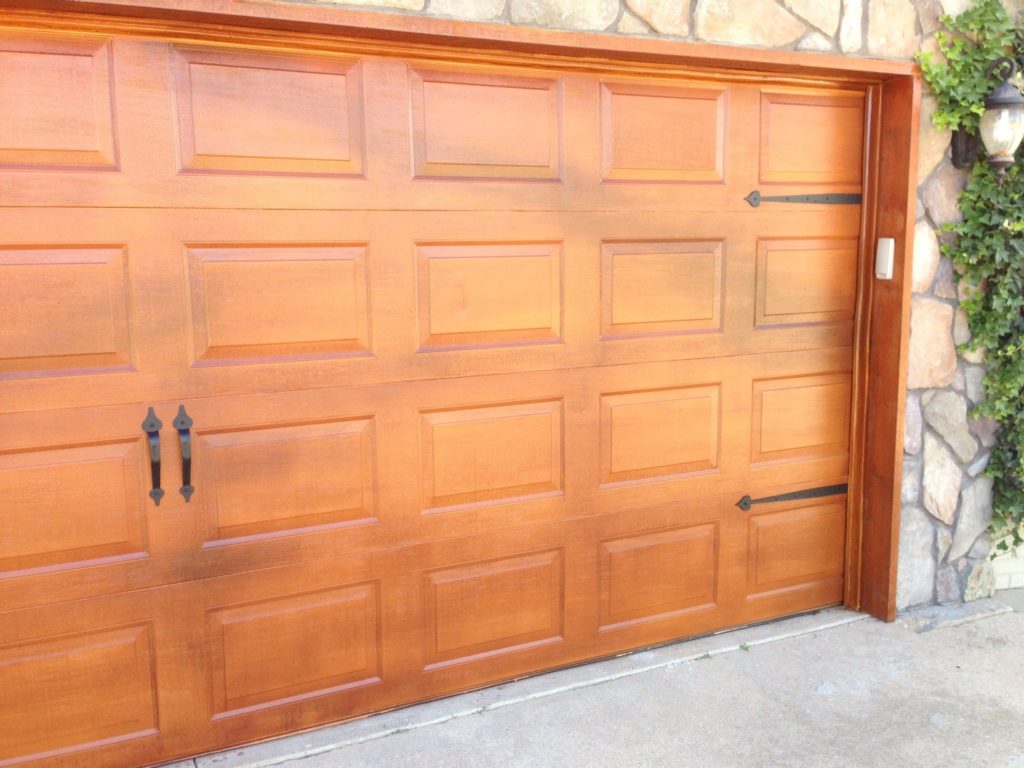
For wooden doors, apply a protective sealant
For steel doors, add a coat of wax for extra protection
Regular cleaning keeps your door looking new and shields it from environmental damage.
Check the Garage Door’s Alignment
If the door becomes crooked or misaligned, it can strain components and lead to sudden failure.
Signs of Misalignment
Uneven gaps at the bottom
Door scraping the ground
Jerky movement
Visible tilt during operation
Address misalignment promptly to avoid track damage and costly repairs.
Schedule Annual Professional Maintenance
Even if you maintain your door regularly, annual inspections by a certified technician are highly recommended. Professionals can detect hidden issues you might miss.
Benefits of Expert Inspections
Safer and more accurate adjustments
Comprehensive lubrication and tightening
Early detection of worn parts
Peace of mind
Enhanced door lifespan
A trained specialist ensures everything—from the opener to the springs—is working perfectly.
Seasonal Garage Door Maintenance Checklist
Different weather conditions affect your garage door’s performance. Following a seasonal maintenance routine helps prevent unexpected issues.
Spring and Summer
Clean tracks and lubricate rollers
Inspect weather seals
Clean the exterior surface
Check door balance
Fall and Winter
Test insulation
Ensure bottom seals are tight
Check for stiff or frozen parts
Clean photo-eye sensors
Adapting your Garage Door Maintenance routine to the season enhances durability year-round.
Why Investing Time in Garage Door Maintenance Matters
A neglected garage door can become noisy, unreliable, or even unsafe. By investing a little time every few months, you extend the life of your door, protect your home, and prevent expensive repairs. From tightening hardware and cleaning tracks to testing safety features and scheduling annual tune-ups, every step plays an important role in long-term performance. With a consistent Universal Garage Door maintenance routine, your door stays smooth, quiet, and secure—giving you confidence and peace of mind every day.
FAQs
What maintenance is needed on a garage door?
Basic care includes checking hardware tightness, cleaning tracks, inspecting seals, and testing safety features for smooth and secure performance.
How often do you need to lubricate a garage door?
Lubricate hinges, rollers, and springs every 3–6 months to keep the garage door operating quietly and reduce strain on the opener.
What is the most common garage door repair?
Worn rollers and damaged springs are among the most common repairs, often caused by daily use and lack of routine maintenance.
How to maintain a steel garage door?
Clean panels regularly, remove rust, inspect weather seals, and apply protective coatings to keep a steel garage door in strong condition.
Meet Jack, our garage guru. With a wrench in one hand and a can-do attitude in the other, he’s your go-to expert for all things repair and replacement.