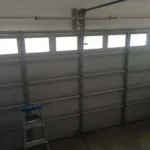
If you own a garage, you’ve probably wondered about the small but essential parts that keep your door working smoothly. One of the most important of these is the garage door extension springs. These components may look simple, but they play a key role in lifting and balancing your garage door safely. In this post, I’ll explain their function, the different types, maintenance tips, pros and cons, and even share a real-life case study to show why they matter.
Content
What Are Garage Door Extension Springs?
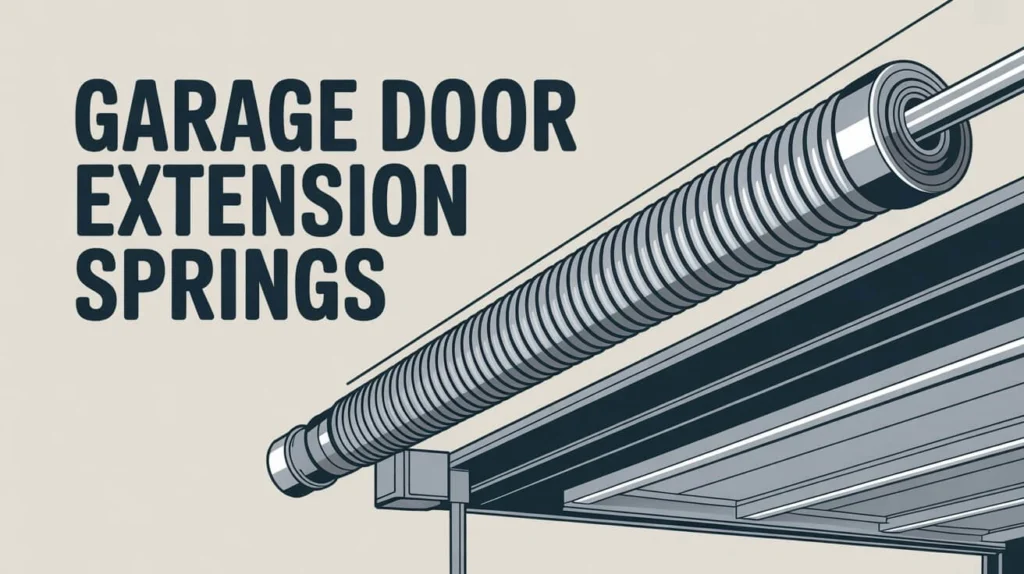
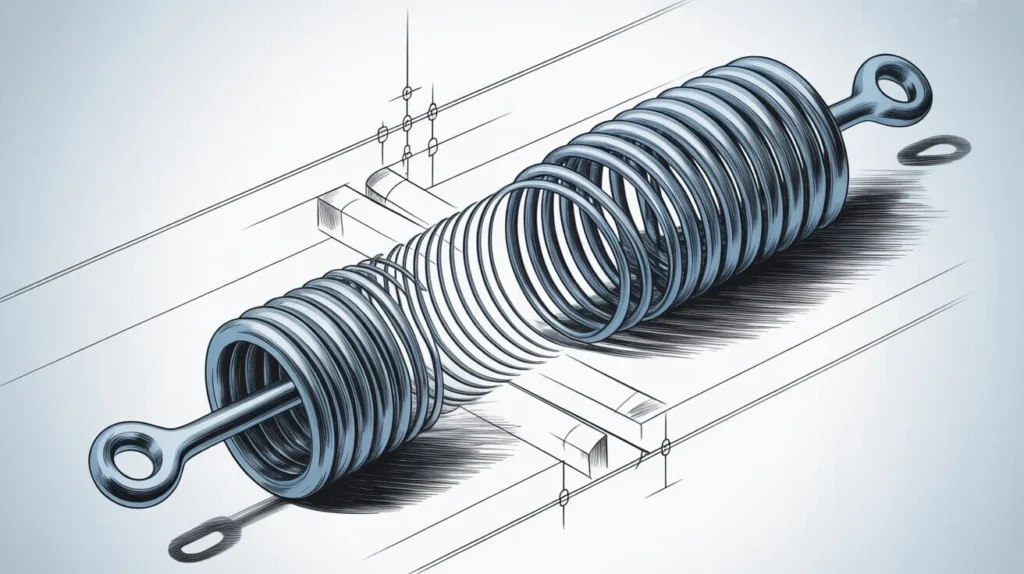
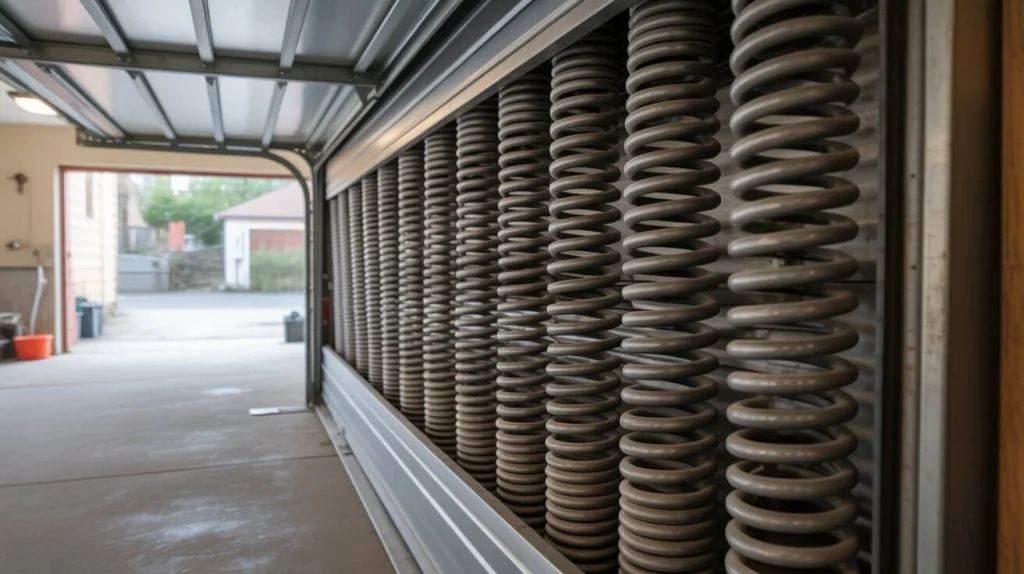
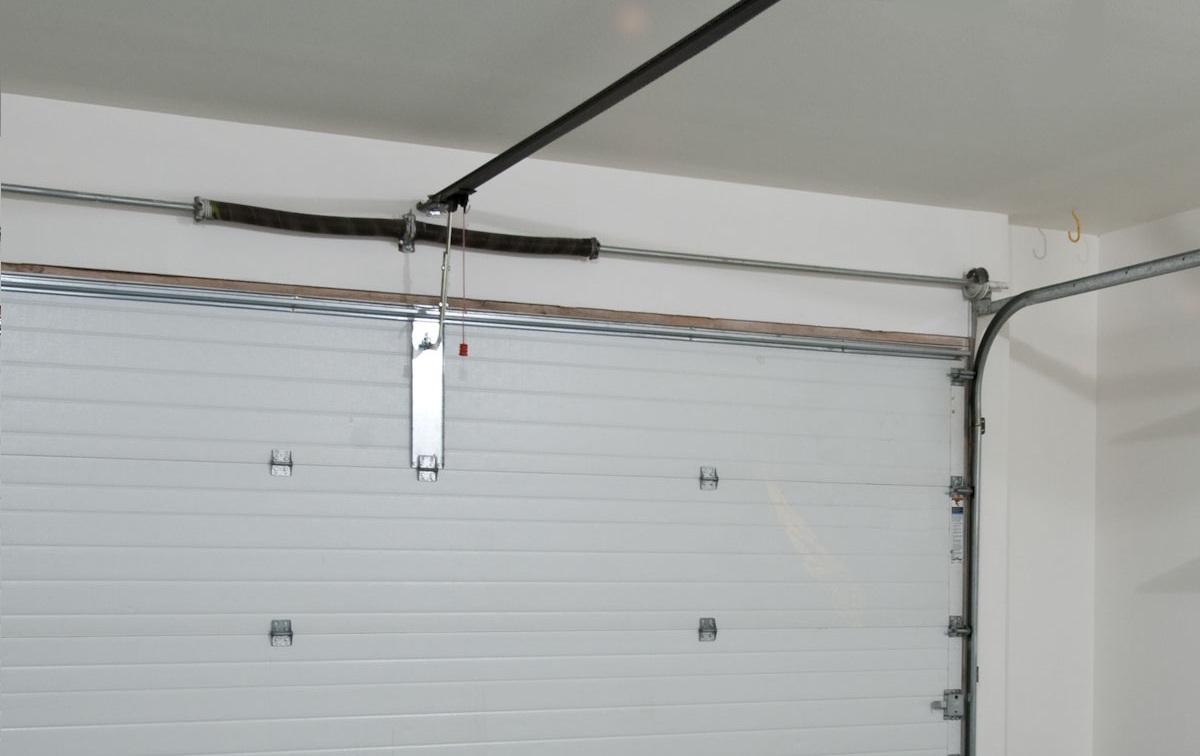
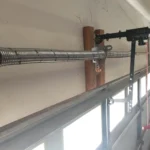
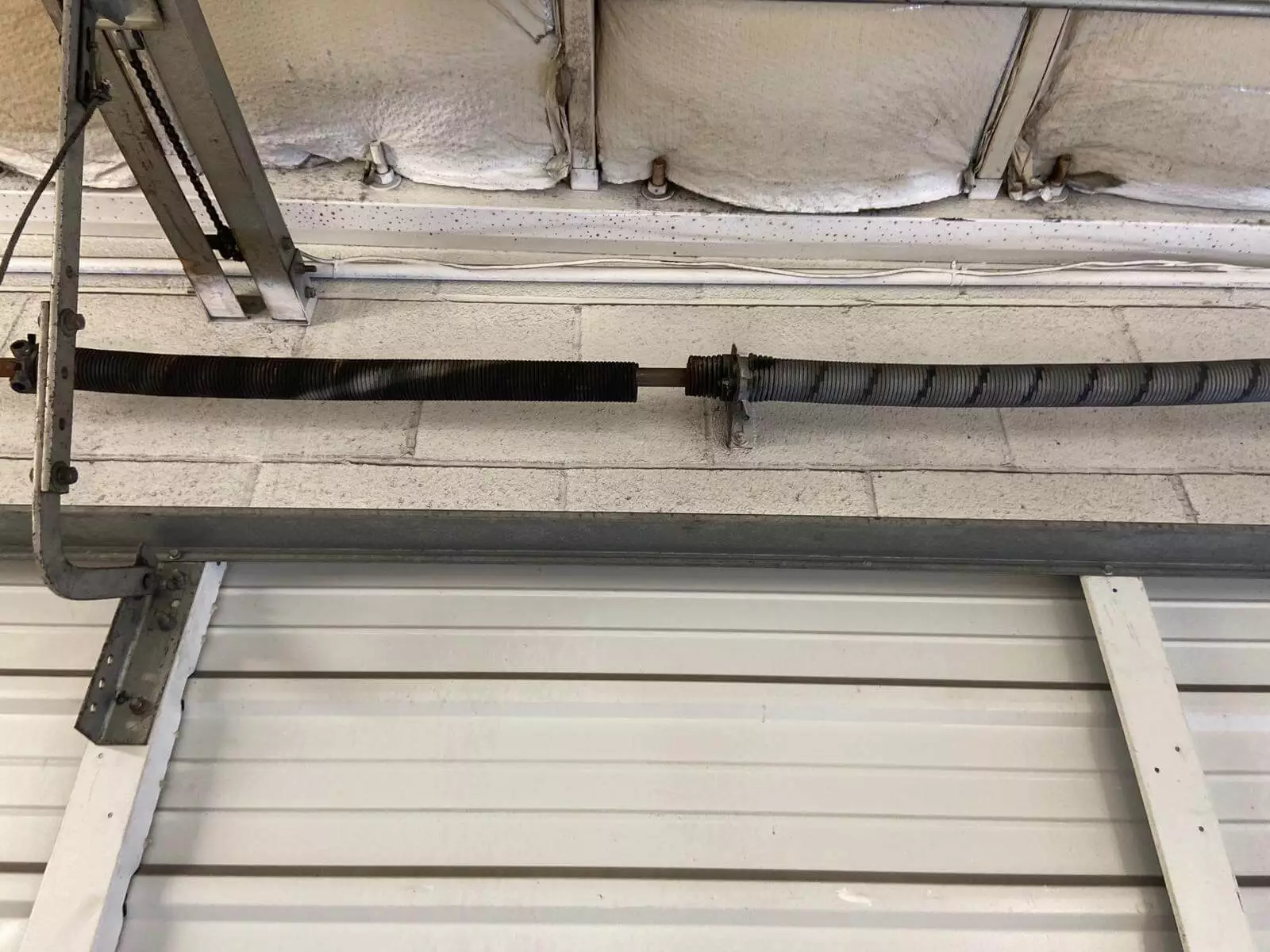
Garage door extension springs are mechanical devices designed to counterbalance the weight of your garage door. Unlike torsion springs that sit above the door, extension springs are located on either side of the door, stretching and contracting as the door opens and closes. This stretching action reduces the effort needed to lift heavy garage doors, making them easier and safer to operate.
From my experience as a digital garage door expert, I’ve seen many homeowners underestimate the importance of these springs until a sudden breakage occurs. They may look like simple coils, but a worn-out spring can lead to serious operational issues.
How Do Extension Springs Work?
Extension springs function by storing mechanical energy when the garage door is lowered and releasing it as the door rises. This balance ensures that the opener doesn’t bear the full weight of the door, preventing motor strain and prolonging the lifespan of your garage door system.
A real-life example: One of my clients, Mike, had an older single-car garage door. He noticed that opening the door required a lot of force, and the springs were visibly stretched. After replacing the garage door extension springs, the door lifted effortlessly, and his opener worked more efficiently.
Types of Garage Door Extension Springs
Not all extension springs are created equal. Here are the most common types I encounter in my work:
Single Loop Springs: These are basic extension springs used in standard residential garage doors.
Double Loop Springs: Offer extra durability for heavier doors, often used in two-car garages.
Clipped-End Springs: Easier to install and replace, but require precise tensioning for safety.
Choosing the right spring depends on your door weight, size, and frequency of use. For heavy doors, I usually recommend double-loop springs for their added safety and longevity.
Pros of Using Extension Springs
Extension springs come with several advantages, especially for residential setups:
Cost-Effective: Generally more affordable than torsion springs.
Simple Installation: Easier for DIY enthusiasts to replace or maintain.
Smooth Operation: Provides balanced lifting for lighter garage doors.
Availability: Readily available at hardware stores and online retailers.
These benefits make garage door extension springs a popular choice for homeowners who need reliable performance without high costs.
Cons of Using Extension Springs
While extension springs are efficient, they have their downsides:
Safety Risks: A broken spring can snap violently. Safety cables are essential to prevent accidents.
Frequent Maintenance: Springs wear out faster than torsion springs and need periodic adjustment.
Limited Load Capacity: Not ideal for extremely heavy doors.
From my hands-on experience, I always advise installing safety cables and performing spring tension adjustments at least once a year to minimize risks.
How to Replace Garage Door Extension Springs Safely
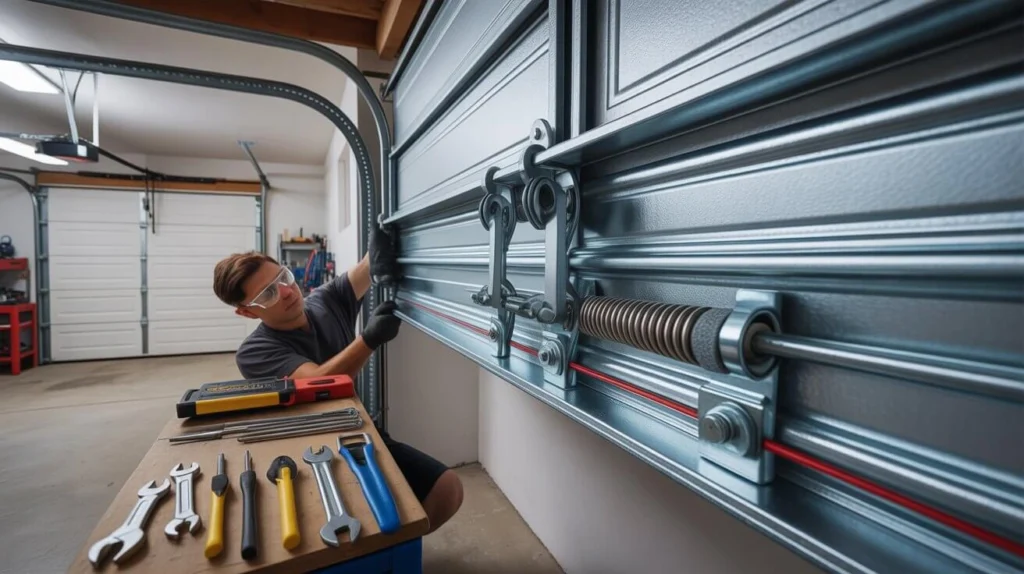
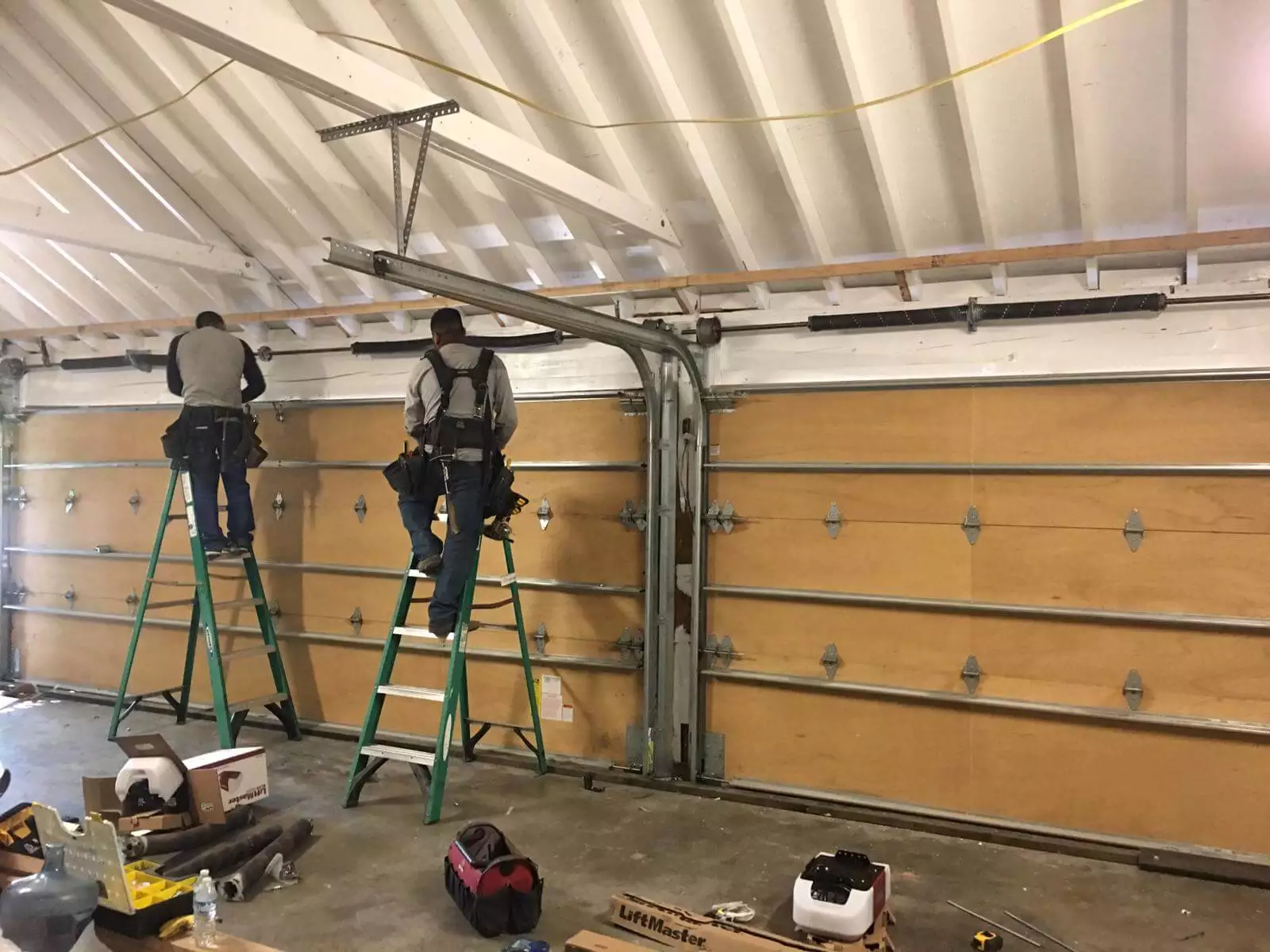
Replacing these springs isn’t something to take lightly. Here’s a step-by-step approach for those comfortable with DIY garage door repairs:
Safety First: Disconnect the opener and wear safety gear.
Secure the Door: Clamp the door to prevent movement.
Remove Old Springs: Carefully detach springs from their brackets.
Install New Springs: Attach the new springs and check for proper tension.
Test the Door: Slowly lift and lower the door to ensure smooth operation.
If you’re unsure, it’s always better to hire a professional. Using a long-tail keyword here: how to replace garage door extension springs safely is crucial for readers seeking DIY guidance.
Cost of Garage Door Extension Spring Replacement
The price of replacement depends on several factors:
Spring Type: Single-loop springs cost less than double-loop options.
Garage Door Size: Larger doors require heavier-duty springs.
Professional Labor: Hiring an expert can add $50–$150 to the overall cost.
On average, most homeowners spend between $100–$250 for both springs and installation. Using the keyword: cost of garage door extension spring replacement ensures the article answers one of the most searched questions.
Maintenance Tips for Garage Door Extension Springs
Regular maintenance can extend the life of your springs:
Lubricate Springs: Apply garage door lubricant every 6 months.
Check for Wear: Look for gaps, rust, or stretched coils.
Inspect Safety Cables: Always keep safety cables in place to prevent accidents.
Listen for Noise: Unusual squeaks or grinding sounds indicate the need for attention.
In my experience, homeowners who follow these steps rarely experience sudden spring failures.
Real-Life Case Study: How Extension Springs Prevented a Major Mishap
A client of mine, Sarah, had an old two-car garage with heavy doors. One morning, her opener failed, and the doors wouldn’t lift. On inspection, the springs were severely worn and on the verge of snapping. By replacing the garage door extension springs, not only did her doors operate smoothly again, but a potential accident was prevented.This case highlights why understanding and maintaining these springs is critical for every homeowner.
Conclusion
Garage door extension springs may seem small, but they play a vital role in the functionality, safety, and longevity of your garage door system. By understanding their types, weighing their pros and cons, and maintaining them properly, you can ensure smooth operation and prevent costly repairs.
Whether you’re a DIY enthusiast looking for guidance on how to replace garage door extension springs safely or simply want to know the cost of garage door extension spring replacement, keeping factors like your garage door size in mind will help you save time, money, and stress.
FAQs
What size garage door extension spring do I need?
Find the right garage door extension springs by checking door weight, height, and spring length.
What are garage door extension springs?
Garage door extension springs stretch and contract to counterbalance door weight, making opening easier.
How do I adjust extension springs on a garage door?
Adjust garage door extension springs safely by tensioning evenly and using safety cables or call a professional.
What types of garage door springs are there?
Main types include extension springs and torsion springs, each suited for specific door sizes and weights.