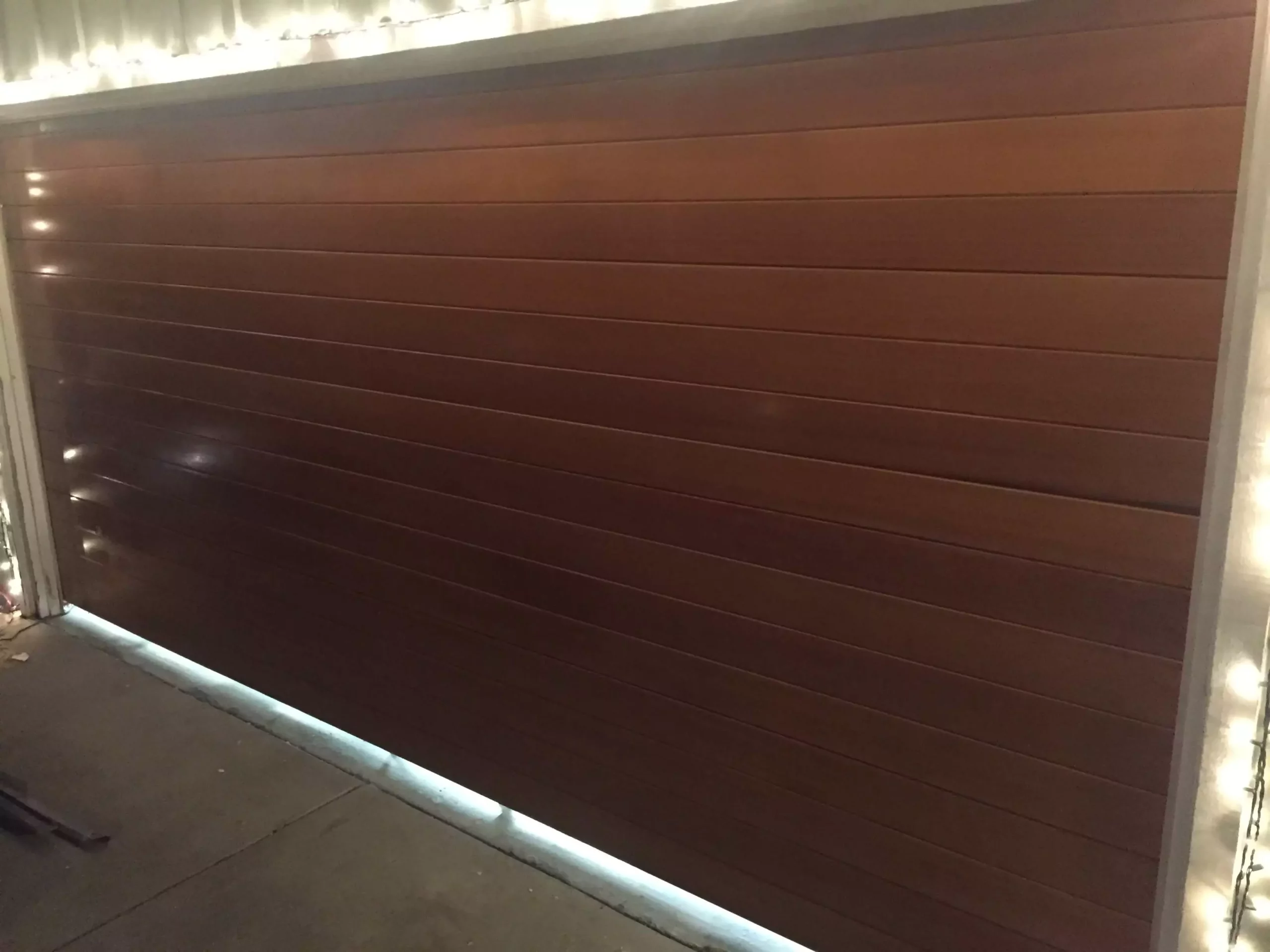
A garage door is one of the most frequently used yet often overlooked features of a home. Across the United States, homeowners depend on this entry point daily for parking, storage, and convenient access, which makes it easy to ignore its condition until a problem occurs.
When issues arise, they go beyond simple inconvenience. A faulty system can pose serious safety risks due to heavy moving panels, high-tension springs, and electrical components working together. Without proper care and safe usage habits, the risk of accidents, costly repairs, and unexpected breakdowns increases significantly.The following safety tips are designed to help homeowners protect their family, property, and long-term investment through smarter use and regular attention.
Content
Make Regular Garage Door Maintenance a Priority
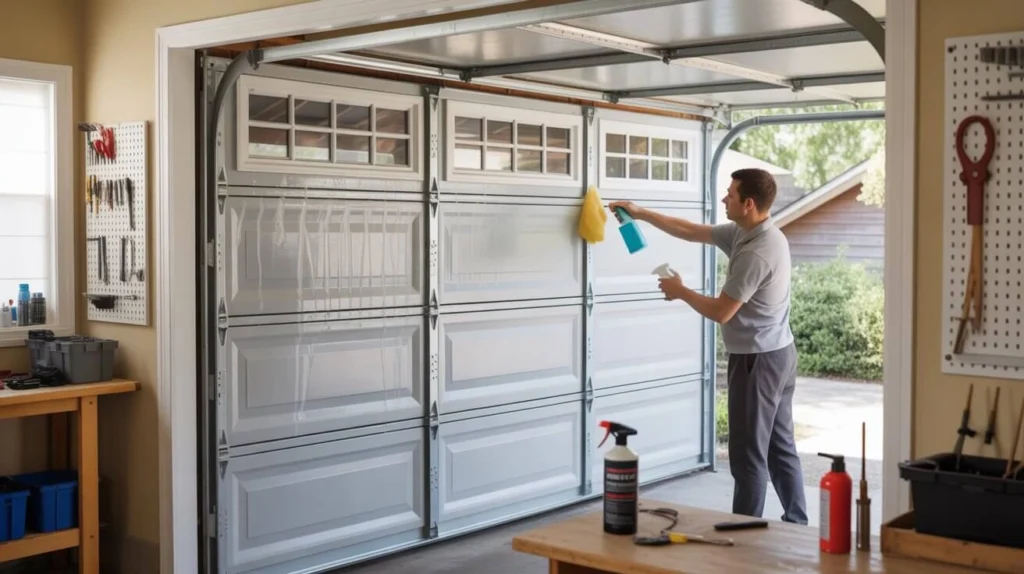
Just like any major home system, a garage door requires routine inspection and maintenance to operate safely and efficiently. With frequent daily use, components such as rollers, cables, hinges, tracks, and springs naturally experience wear from constant movement and exposure to changing weather conditions.
Overlooking early warning signs—such as unusual noises, slow response times, or uneven operation—can result in sudden and costly failures. Performing a simple monthly visual inspection helps detect loose hardware, frayed cables, rusted springs, or misaligned tracks before they develop into serious safety hazards.
Basic tasks like lubricating moving parts, tightening hardware, and checking door balance can often be handled by homeowners. When time or expertise is limited, scheduling service with a professional maintenance provider is a smart long-term investment in safety, reliability, and performance.
Never Start Your Vehicle Before Opening the Garage Door
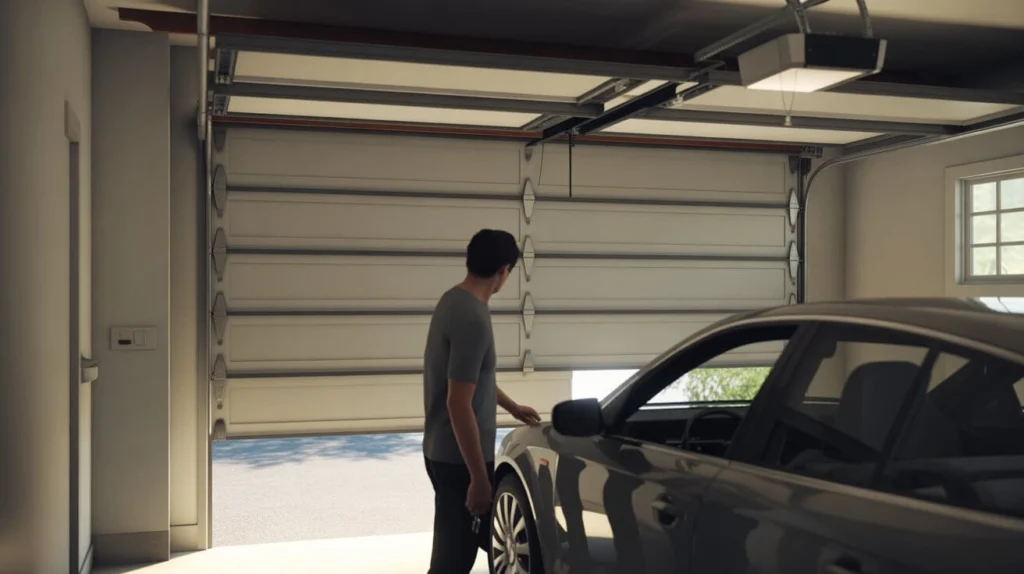
Many homeowners underestimate the risks associated with vehicle emissions in enclosed areas. Starting a car before the space is fully open allows carbon monoxide and other harmful gases to build up rapidly.
Even brief exposure can be dangerous, particularly in attached garages where fumes may seep into nearby living areas. To reduce this risk, always ensure the door is fully open before starting your vehicle, and never allow a car to idle in a closed or partially enclosed space.
Adopting this simple habit not only safeguards your health but also promotes better airflow and helps reduce moisture buildup, which can contribute to long-term damage of mechanical components.
Keep Children at a Safe Distance From Moving Entry Systems
A moving overhead system can pose serious risks to children. Young kids are naturally curious and may mistake the motion and sound of the mechanism as something to play with, especially when it operates automatically.
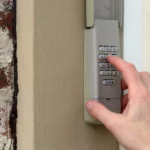
It’s important to teach children early that this area is not meant for play. Keep remote controls out of reach and install wall-mounted controls at least five feet above the floor to prevent accidental activation.
Never allow children to run beneath a closing panel or hold onto it while it’s in motion. Teaching safe behavior from a young age is one of the most effective ways to reduce the risk of serious injuries and household accidents.
Test the Garage Door Auto-Reverse Safety Feature
Most modern systems include an auto-reverse function designed to reduce the risk of accidents. This safety feature automatically changes direction when resistance is detected during closing.
To check whether it’s working properly, place a solid object—such as a piece of wood—on the ground beneath the closing panel. If it fails to reverse upon contact, the mechanism may require adjustment or repair.A faulty auto-reverse feature can pose serious dangers to pets, children, and vehicles. If this test is unsuccessful, discontinue use immediately and contact a qualified technician for professional inspection and repair.
Keep Garage Door Hardware Secure and Tight
Vibrations from daily use can loosen nuts, bolts, and brackets over time. Loose hardware can cause misalignment, uneven operation, or complete system failure.
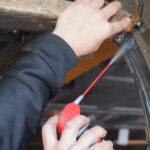
Regularly inspect and tighten visible hardware using the appropriate tools. Pay close attention to hinges, track brackets, and roller mounts. However, never attempt to adjust high-tension components such as springs or cables, as these parts can cause severe injury if handled incorrectly.Maintaining secure hardware ensures your garage door operates smoothly and reduces strain on the opener and motor.
Never Attempt DIY Repairs on High-Tension Components
While basic upkeep tasks are generally safe for homeowners, certain repairs should always be handled by trained professionals. Components such as torsion springs, extension springs, and lift cables operate under extreme tension and can fail suddenly without warning.
Attempting do-it-yourself repairs on these parts can lead to severe injuries or significant property damage. If the system becomes hard to lift, slams shut unexpectedly, or appears off-balance, discontinue use immediately and contact a qualified expert.Certified technicians have the proper tools, technical knowledge, and hands-on experience required to manage complex repairs safely and restore reliable operation.
Ensure Your Garage Door Opener Is Working Properly
The opener plays a vital role in both safety and convenience. If it struggles to lift the door, produces grinding noises, or operates inconsistently, these may be signs of an underlying issue.
Regularly inspect the sensors to ensure they are clean, properly aligned, and free from obstructions. Misaligned sensors can prevent the garage door from closing correctly or cause it to reverse unexpectedly.Upgrading outdated openers to modern models with advanced safety features, rolling-code technology, and battery backup can greatly enhance overall operational safety and reliability.
Maintain a Safe and Organized Entryway Area
Clutter near tracks or the entryway can disrupt smooth operation. Tools, storage boxes, or debris left in the path of the moving panel increase the risk of accidents and damage.Keep the surrounding area clear, both inside and outside, to allow unobstructed movement and ensure safety sensors work properly. A tidy and organized space also makes it easier to notice potential issues during routine inspections.
Know When to Call a Professional
Even with consistent upkeep, mechanical systems will eventually require professional attention. Warning signs such as unusual noises, delayed operation, uneven movement, or visible damage indicate that an expert inspection is necessary.Scheduling annual professional servicing helps extend the lifespan of your garage door, enhances overall safety, and reduces the risk of costly emergency repairs. Trained technicians can detect hidden issues early and ensure all components continue to meet proper safety standards.
Garage Door Maintenance Tips
A garage door is more than just a convenience—it plays a vital role in your home’s safety and daily functionality. By following proper Garage Door Maintenance Tips, developing safe habits, performing regular upkeep, and knowing when to call a professional, homeowners can significantly reduce the risk of accidents and unexpected breakdowns.
Prioritizing these maintenance practices not only protects your family and property but also ensures peace of mind. A little attention today can prevent costly repairs and stressful problems in the future.
Final Thoughts
A garage door is more than a simple convenience—it plays a vital role in your home’s overall safety and daily functionality. By building safe habits, staying consistent with routine upkeep, and recognizing when professional assistance is needed, homeowners can greatly reduce the risk of accidents and unexpected system failures.Treating safety as a priority helps protect your family, your property, and your peace of mind. A small amount of attention today can prevent costly and stressful problems in the future.
FAQs
What are garage doors?
They are movable panels that allow access to and secure an enclosed parking space.
What is the door on a garage called?
It’s typically called an overhead or sectional door that opens vertically or rolls up.
What is the average cost to install a garage door?
Installation costs range from $700 to $2,500, depending on size, material, and features.
Why is it called a garage?
The term comes from the French word “garer,” meaning “to shelter or protect,” referring to vehicle storage.
Meet Jack, our garage guru. With a wrench in one hand and a can-do attitude in the other, he’s your go-to expert for all things repair and replacement.