A garage door is one of the most frequently used entry points in any home, yet it often goes unnoticed until a problem occurs. From daily commutes to accessing stored belongings, a smoothly operating door plays a key role in convenience, security, and energy efficiency. When issues develop, timely repairs become essential to avoid further damage, safety hazards, and expensive replacements. Understanding how the system works and being familiar with basic repair steps allows homeowners to address minor concerns early while knowing when it’s best to call a professional.
Content
Why Garage Door Repair Matters
A malfunctioning garage door can cause more than just inconvenience. It may compromise home security, let hot or cold air escape, and place unnecessary strain on door components. Ignoring minor issues over time can lead to complete system failure. Regular maintenance and timely repairs help:
Extend the lifespan of the system
Improve safety for family members
Maintain smooth and quiet operation
Prevent unexpected breakdowns
Step One: Prepare for Garage Door Repairs
Before starting any garage door repairs, proper preparation is essential. These systems are heavy and operate under high tension, so safety must be your top priority. Begin by clearing the area of obstacles like bicycles, tools, storage bins, or vehicles that could interfere with door movement. Keep children and pets safely away from the workspace.
Next, disconnect the power supply by turning off the breaker to prevent accidental activation during repairs. Always wear protective gloves and safety eyewear when handling metal parts or applying lubricants to reduce the risk of injury.
Step Two: Check the Tracks
Tracks guide the door as it opens and closes, and bent, misaligned, or blocked tracks are a common cause of problems. Carefully inspect both vertical and horizontal tracks for:
Dirt, debris, or small objects
Rust or corrosion
Visible bends or gaps
Use a broom handle or similar tool to remove debris without placing your hands directly in the track area. If the tracks appear slightly misaligned, gently loosen the mounting bolts, adjust the position, and retighten them securely. Severely bent tracks should never be forced back into place, as this can cause further damage. In such situations, professional garage door repair is the safest approach.
Step Three: Lubricate Components
One of the simplest yet most effective repair tasks is proper lubrication. A noisy or jerky door often indicates dry or worn parts. Apply a high-quality, non-silicone lubricant to:
Rollers
Hinges
Springs
Tracks
Avoid using heavy grease, as it can attract dirt and create buildup over time. Proper lubrication reduces friction, extends the life of components, and ensures smooth operation. Regular lubrication should be included in routine maintenance, even if no issues are currently noticeable.
Step Four: Check Garage Door Springs
Springs play a vital role by supporting the weight of the door, and there are two main types: torsion springs and extension springs. If a spring is damaged or broken, the door may become difficult or impossible to lift. Signs of spring issues include:
The door feels unusually heavy
The door opens unevenly
A loud snapping sound was heard
Repairing springs is dangerous because of the high tension. Homeowners should never try to replace broken springs themselves. This task should always be performed by trained professionals for safety.
Step Five: Inspect Cables and Rollers
Cables and rollers work together to ensure smooth garage door movement. Frayed cables or worn rollers can lead to uneven operation or complete failure.Inspect cables for:
Fraying or rust
Loose attachments
Check rollers for:
Cracks or chips
Excessive wobbling
If rollers are damaged, nylon replacement rollers are often quieter and more durable than metal ones. Cable repairs, however, should be left to professionals due to the tension involved.
Step Six: Test the Garage Door Opener
Sometimes the issue is not the door itself but the opener system. Test the opener by opening and closing the door multiple times and observe for:
Delayed response
Unusual noises
Inconsistent movement
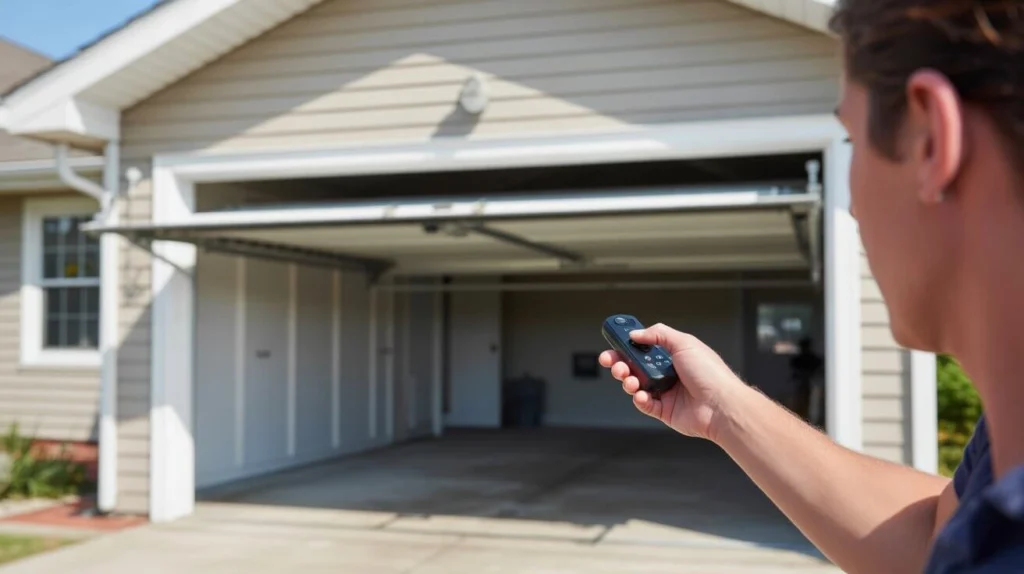
Make sure the safety sensors at the bottom of the tracks are clean and properly aligned, as misaligned sensors can prevent the door from closing fully. If the motor struggles or fails completely, repair or replacement may be necessary depending on the unit’s age and condition. Professional garage door opener service can ensure it operates safely and reliably.
Step Seven: Perform a Balance Test
A properly balanced door remains in place when lifted halfway by hand. To test its balance:
Disconnect the opener
Lift the door to the halfway point
Release it carefully
If the door falls or rises rapidly, it is unbalanced. This typically points to spring tension problems, which should be addressed by trained professionals.
When It’s Time to Opt for a New Door Instead of Fixing It
While many problems can be repaired, there are times when replacement is the wiser investment. Consider installing a new garage door if:
The door has extensive structural damage
Repairs are frequent and costly
It lacks modern safety features
Energy efficiency is poor
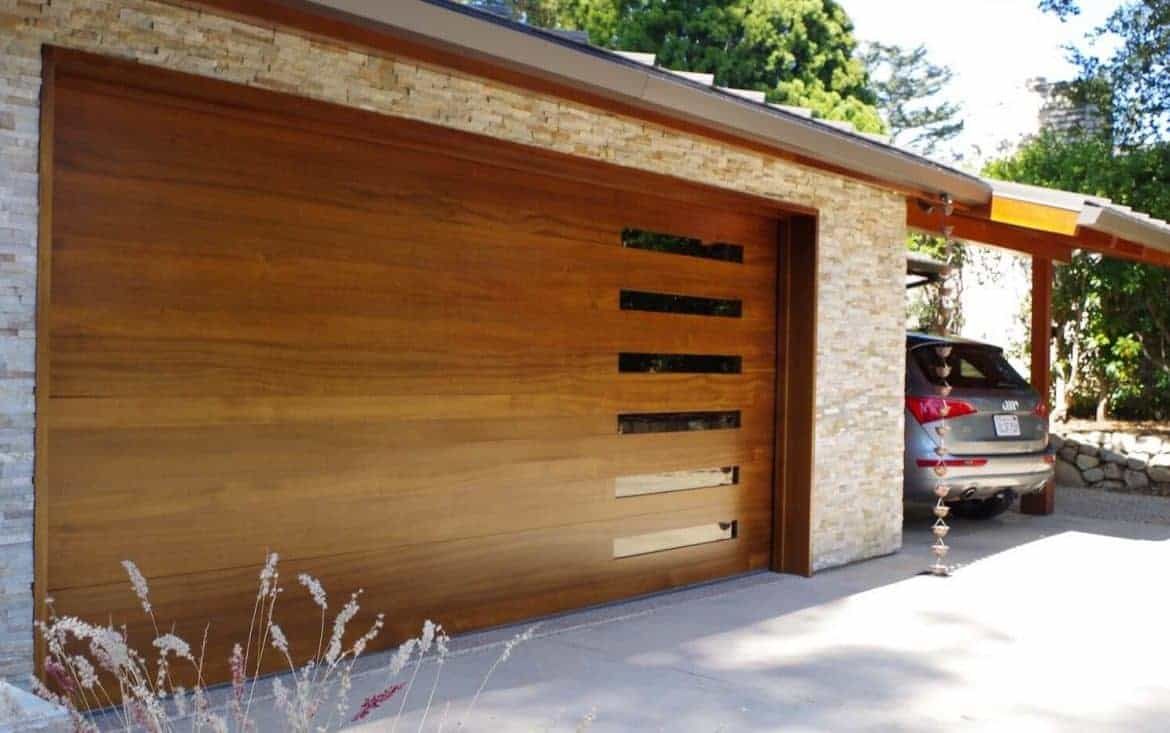
A new door can enhance curb appeal, improve insulation, increase home value, and provide smoother operation along with better security.
Tips to Prevent Door Issues
Preventive care reduces the need for emergency garage door repair, and adopting simple habits can make a significant difference:
Inspect parts monthly
Keep tracks clean and properly aligned
Lubricate moving components regularly
Test safety features periodically
Scheduling annual professional inspections can also help identify hidden issues before they become major problems.
Final Thoughts
A well-maintained garage door is crucial for safety, convenience, and energy efficiency. While homeowners can manage basic tasks like cleaning tracks, lubricating components, and testing balance, more complex repairs should always be performed by professionals. By understanding common problems and performing routine maintenance, you can extend the lifespan of the system and prevent unexpected breakdowns. Addressing issues promptly today can save time, money, and stress in the future.
FAQs
What are the three types of garage doors?
Sectional, roller, and swing-out doors are the most common types.
What are the disadvantages of garage doors?
They can be costly, need maintenance, and may malfunction if not serviced regularly.
How much room for a 2 car garage?
A 2-car garage typically needs 20–24 feet wide and 20–24 feet deep for comfortable space.
Meet Jack, our garage guru. With a wrench in one hand and a can-do attitude in the other, he’s your go-to expert for all things repair and replacement.