A garage door is one of the largest moving parts of your home and serves multiple purposes. It not only provides easy access to your garage but also plays a vital role in enhancing the security of your property. Understanding how garage doors work can help you operate them safely, maintain them effectively, and know when to call professionals for repairs.
Content
How Garage Doors Work
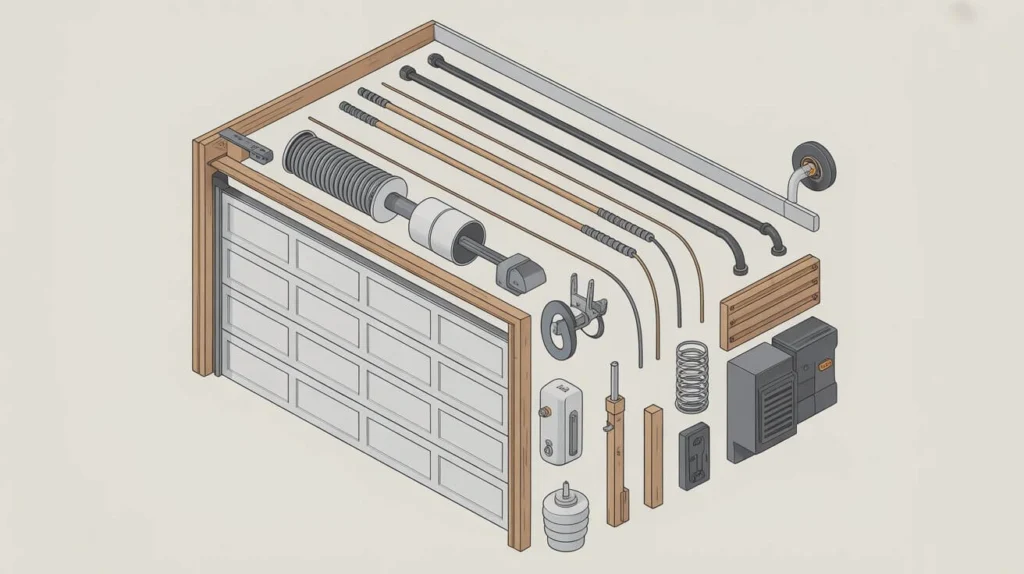
Garage doors might look simple from the outside, but understanding how garage doors work reveals hundreds of mechanical and electrical components working in perfect harmony. At their core, most garage doors operate using one of two spring systems: torsion springs and extension springs.
Torsion Spring System: The torsion spring is mounted above the garage door and works by winding and unwinding to offset the door’s weight. This system allows smooth lifting and lowering, making it the most common type in modern homes.
Extension Spring System: These springs run along the horizontal tracks on either side of the door. As the door moves, the springs stretch and contract to assist in balancing the door’s weight. While functional, this system is less precise than torsion springs and is generally used in lighter doors.
Other components, such as cables, rollers, hinges, and tracks, also contribute to the door’s smooth operation. The cables connect the springs to the door, ensuring it moves evenly. Rollers slide along the tracks to reduce friction and allow effortless opening and closing.
Additionally, modern garage doors often include electric garage door opener, which use motors, gears, and sensors to automate door operations. These openers can be controlled via remote, wall switches, or smartphone apps, providing convenience and enhanced security.
Common Garage Door Parts and Their Functions
Understanding the components of a garage door helps you grasp how garage doors work:
Springs: Offset the heavy weight of the door, making it easier to lift manually or with a motor.
Cables: Support the springs and help balance the door during movement.
Rollers: Slide in the tracks to ensure smooth, quiet operation.
Hinges: Connect door panels and allow them to bend while moving along the curved tracks.
Tracks: Guide the door’s movement as it opens and closes.
Garage Door Opener: Provides automated operation using electric motors and remote systems.
Sensors: Detect obstacles in the door’s path and prevent accidents.
Each of these parts must function correctly to ensure the safe and efficient operation of your garage door. A problem in any one component can affect the door’s performance or even pose safety risks.
How to Maintain a Garage Door
Regular maintenance is essential to keep your garage door working efficiently. Proper upkeep not only extends the door’s life but also ensures safety. Here’s a guide on how to maintain garage doors:
1. Inspect All Components
Start by carefully examining all parts of your door system. Check the springs, cables, rollers, hinges, and tracks for signs of wear or damage. Look for frayed cables, rusted springs, or misaligned tracks, as these can indicate potential problems that may require professional attention.
2. Tighten Loose Hardware
Garage doors undergo constant movement, and knowing how garage doors work can help you understand why screws, bolts, and brackets may loosen over time. Regularly checking and tightening all hardware ensures every part stays securely in place and prevents larger mechanical failures down the line.
3. Lubricate Moving Parts
Lubrication is crucial for smooth door operation. Apply garage door lubricant to springs, rollers, hinges, and tracks to reduce friction and noise. Avoid using heavy oils that can attract dust and grime; instead, opt for a silicone-based spray for lasting performance.
4. Test the Door Balance
A properly balanced door should stay in place when partially opened. Disconnect the opener and manually lift the door to see if it remains stable. If it falls or rises unevenly, the springs may need adjustment, which is a job best left to professionals due to the risk of serious injury.
5. Check Safety Features
Modern garage doors are equipped with safety sensors that help you understand how garage doors work to protect people and objects. Test these sensors regularly by placing an object in the door’s path. If the door does not reverse automatically, the sensors or opener may require servicing to ensure your garage doors work safely and reliably.
Signs Your Garage Door Needs Professional Attention
While DIY maintenance can handle minor issues, some problems require professional expertise. Watch for these signs:
Loud or unusual noises during operation
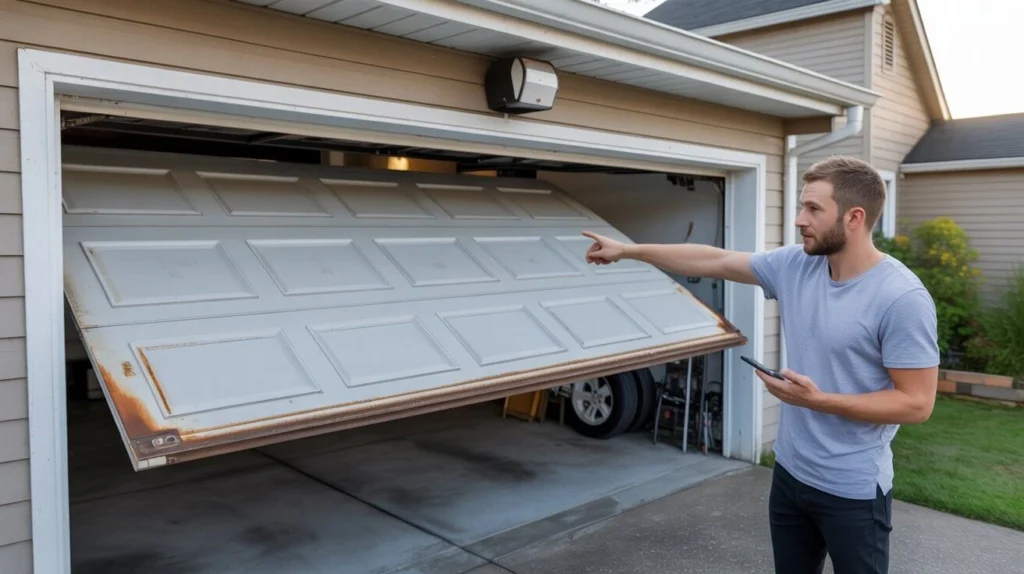
Visible damage to springs, cables, or panels
Slow or uneven movement
Malfunctioning sensors or opener
Door stuck in an open or closed position
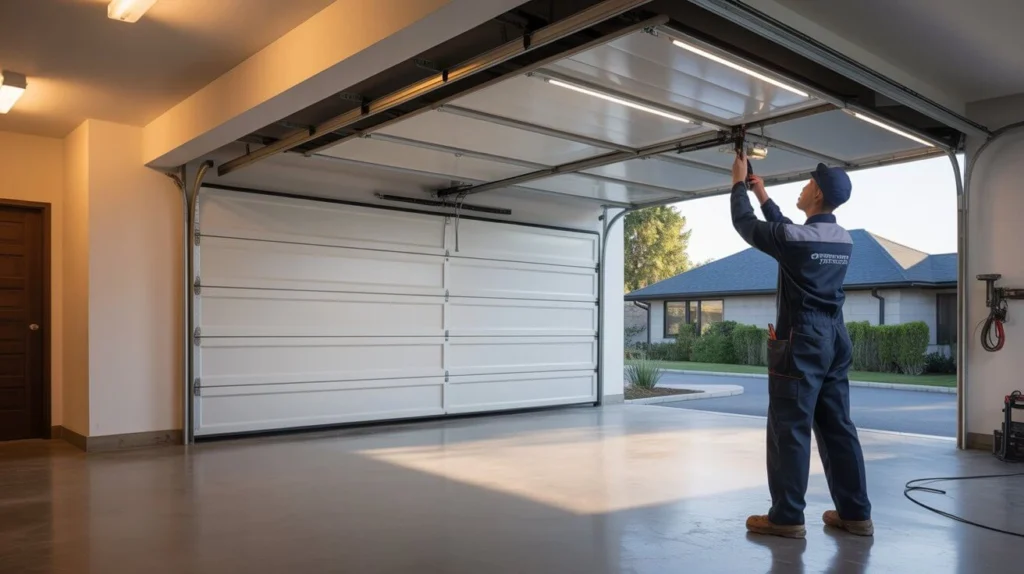
Hiring an experienced garage door repair company ensures that repairs are done safely and correctly, preventing further damage and potential injuries.
The Importance of Understanding How Garage Doors Work
Knowing how garage doors work isn’t just about curiosity—it’s about safety, convenience, and cost savings. A well-maintained garage door:
Enhances Security: Prevents unauthorized access to your home or vehicle.
Saves Money: Reduces the likelihood of costly repairs due to neglect.
Increases Convenience: Smooth operation allows easy access for vehicles and storage.
Improves Longevity: Regular maintenance extends the door’s lifespan.
Even if you prefer professional services, understanding the basics allows you to spot potential issues early and communicate effectively with repair technicians.
DIY vs. Professional Garage Door Maintenance
While some maintenance tasks, like lubrication and hardware tightening, can be safely performed at home, understanding how garage doors work shows that certain components—especially springs—require professional handling. Torsion springs store a significant amount of tension, and improper adjustment can lead to serious injuries or property damage. Professional technicians have the tools, training, and experience to safely adjust springs, replace cables, and repair openers. For routine maintenance, combining DIY inspections with annual professional checkups ensures your garage doors work safely and efficiently.
Conclusion
Garage doors are complex systems that combine mechanical and electrical components to provide safety, convenience, and security. Understanding how garage doors work and performing regular maintenance ensures smooth operation, reduces repair costs, and prolongs the door’s lifespan.
Whether you choose to handle minor maintenance yourself or hire a professional, staying proactive about inspections, lubrication, and safety checks is essential. A little attention today can prevent accidents and costly repairs tomorrow, keeping your home safe and your garage door functioning flawlessly.
FAQs
How does a garage door work?
A garage door works using springs, cables, rollers, and openers to lift and lower smoothly while balancing its weight.
What is a garage door job?
A garage door job involves installing, repairing, or maintaining doors to ensure they open, close, and secure a garage properly.
What is the main function of a garage?
The main function of a garage is to provide a safe, covered space to park vehicles and store belongings.
How does a garage door work in physics?
A garage door works in physics using force and torque from springs and counterweights to lift the heavy door with minimal effort.
Meet Jack, our garage guru. With a wrench in one hand and a can-do attitude in the other, he’s your go-to expert for all things repair and replacement.