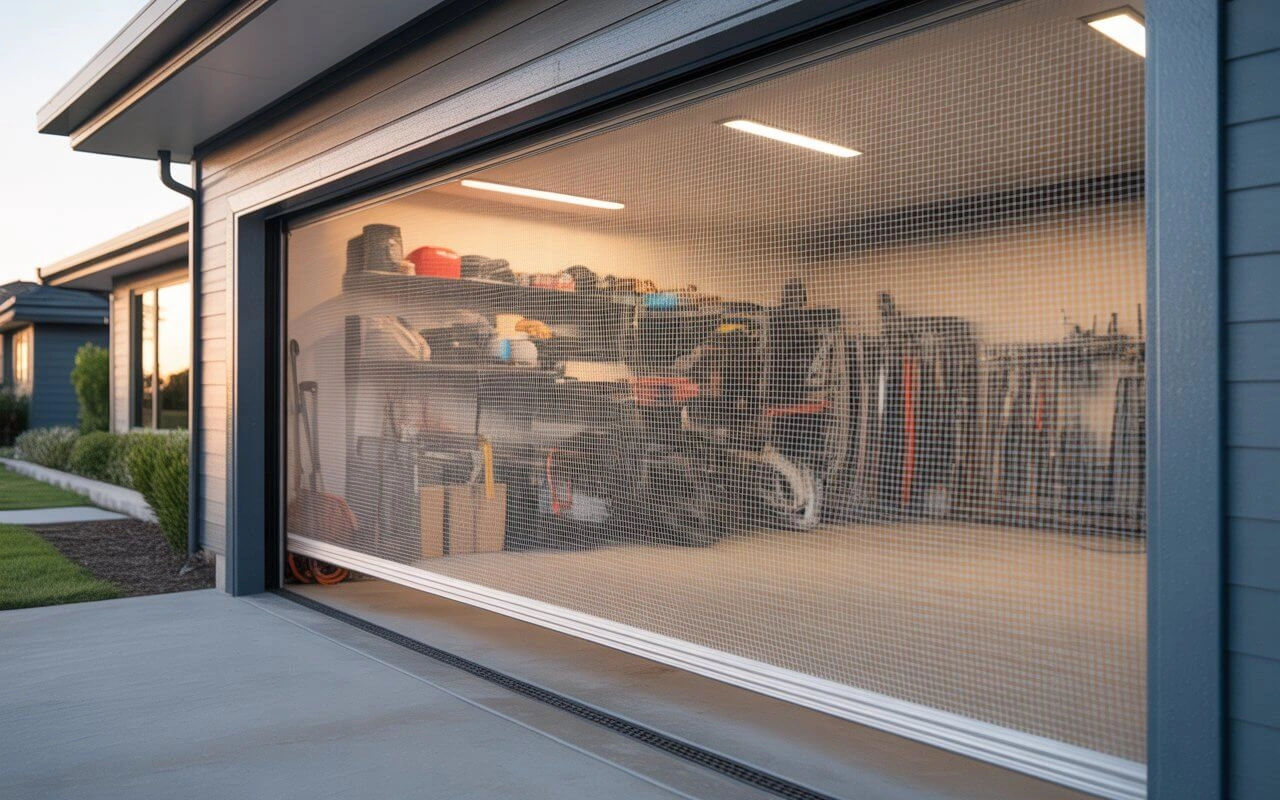
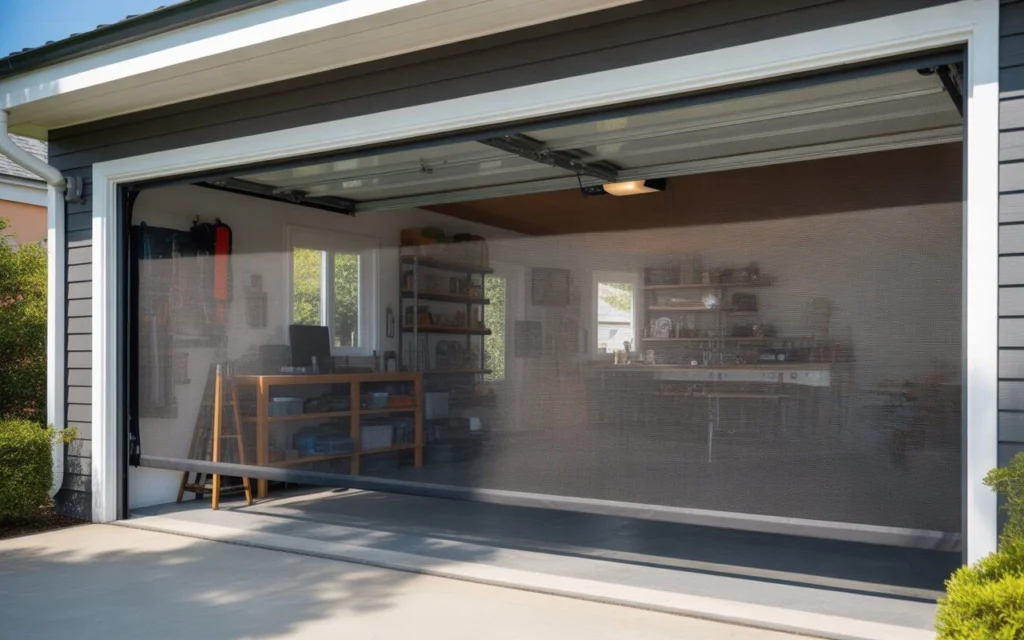
When it comes to enjoying a comfortable garage or outdoor space, a garage door screen can make a world of difference. It allows fresh air to flow freely while keeping pesky bugs, leaves, and debris out. Over the past decade, I’ve helped hundreds of homeowners upgrade their garages and patios with retractable and mesh screens, and I can confidently say these screens are one of the most underrated home improvements.
In this article, we’ll explore the benefits of these screens, step-by-step installation tips, and essential maintenance advice. I’ll also share real-life experiences and a practical case study so you can see the results firsthand.
Content
Why a Garage Door Screen is Worth It
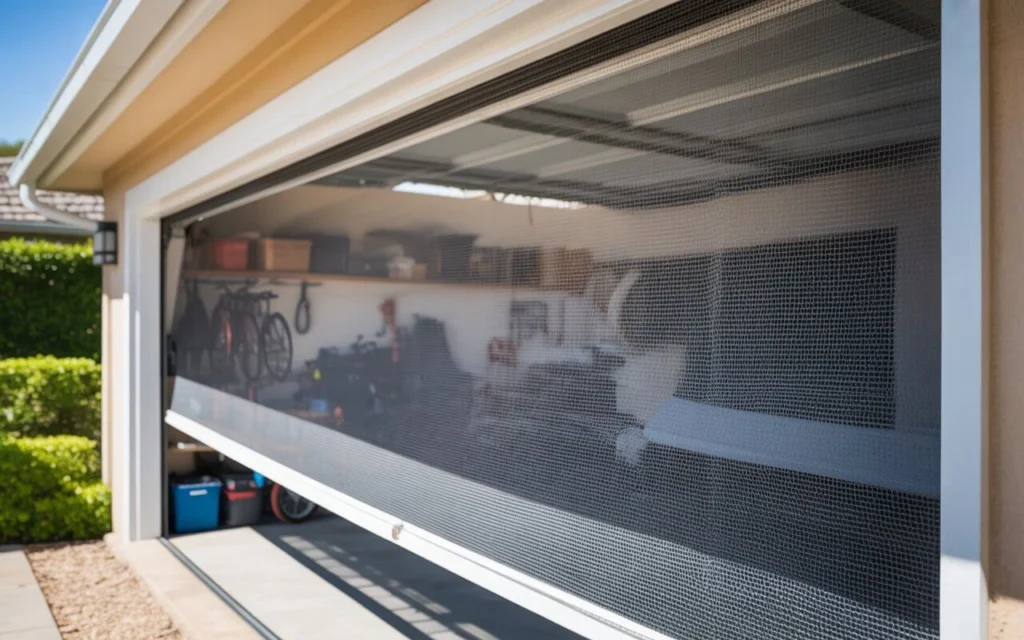
A garage door screen might seem like a small addition, but it brings big benefits to any home. It keeps annoying insects and debris out while allowing fresh air to flow freely. For families who spend time in their garages or patios, it creates a more comfortable, usable space. Beyond comfort, it also adds versatility—turning garages into workshops, play areas, or even casual lounge spots without worrying about bugs or poor ventilation.
Keep Bugs and Debris Out
One of the biggest challenges in any garage or patio space is unwanted insects. Mosquitoes, flies, and other bugs can quickly turn a relaxing evening into a nuisance. Installing a garage door screen provides a barrier that keeps pests out while still allowing airflow. For families who host weekend barbecues or spend evenings in their garage, this small addition can make a huge difference. Unlike traditional screens, retractable models let you open and close the barrier as needed, combining flexibility with protection.
Improve Airflow and Ventilation
Unlike solid doors, a mesh screen lets air circulate freely. This is especially beneficial during the summer months when garages can heat up quickly. Proper ventilation helps prevent humidity buildup, protects stored items, and creates a more comfortable environment for hobbies, workouts, or home offices. From personal experience, I installed a retractable screen for a client with a home gym in his garage. He noticed a significant drop in temperature and improved airflow, all without the annoyance of insects during his workouts.
Versatile Use Cases
Garage door screens aren’t limited to garages alone. Many homeowners use them to:
Create an enclosed patio space for family gatherings
Protect outdoor dining areas from insects
Maintain airflow in workshops or studios
Temporarily enclose porch spaces during events
The flexibility of retractable or hook-and-loop fastener screens makes them a multi-purpose solution.
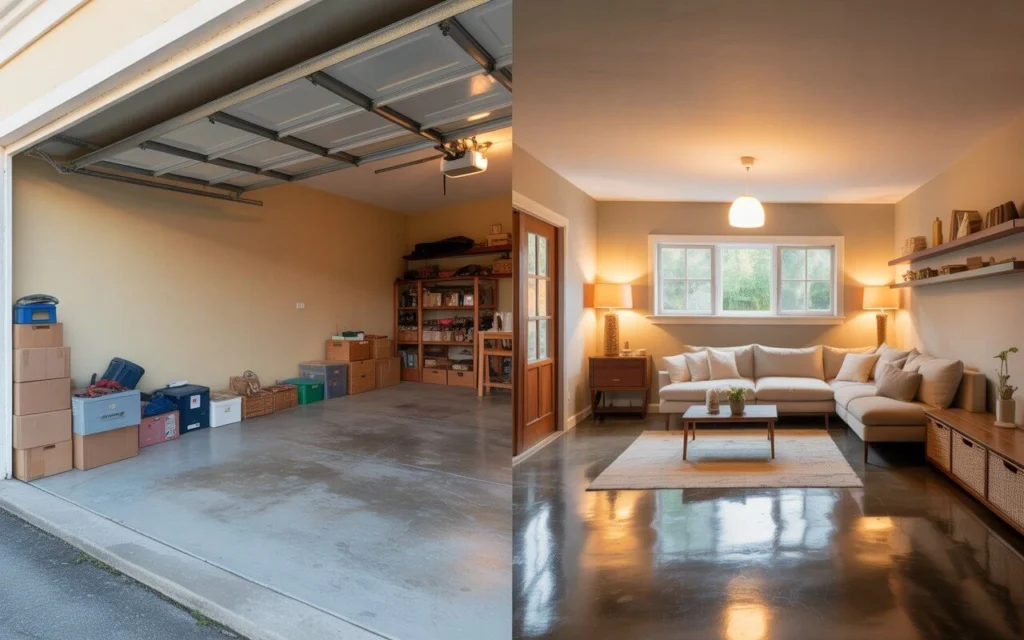
Real-Life Case Study: Transforming a Garage Into a Relaxing Family Space
A client of mine, Sarah, had a typical two-car garage used mostly for storage. She wanted to convert part of it into a mini lounge area where her kids could play safely.We installed a custom-fit garage door screen with a double zipper system. The results were immediate:
No more bugs during evening playtime
Increased airflow, making the garage cooler
The family could use the garage as a temporary indoor/outdoor space without the hassle of opening and closing the main garage door
Sarah later mentioned that she appreciated the “heavy-duty mesh” quality and how easy it was to install the screen in just 15 minutes, proving that this solution is both practical and user-friendly.
Easy Steps to Install a Garage Screen
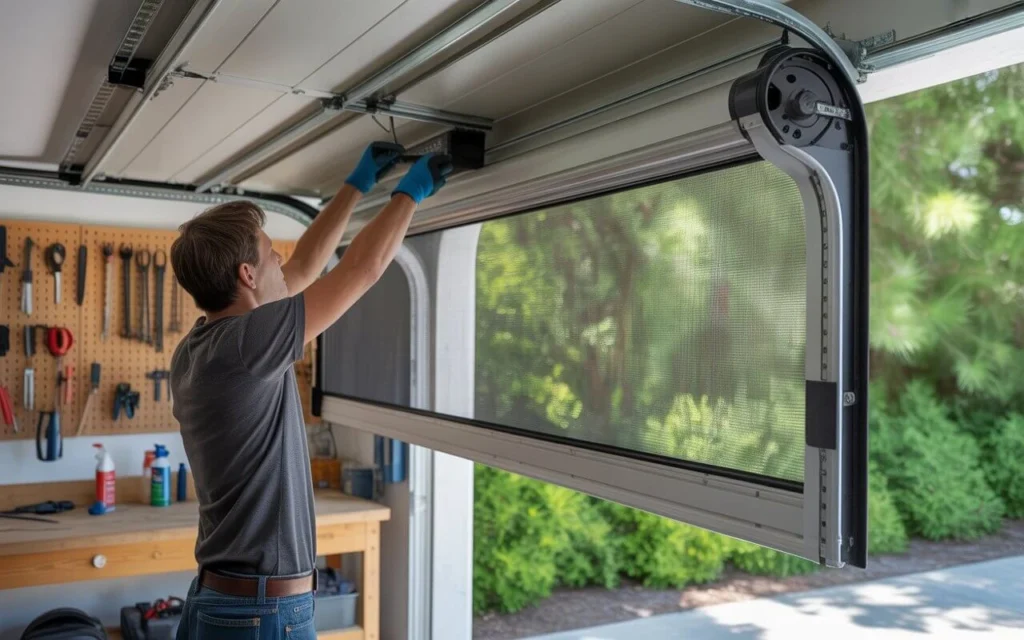
Installing a garage door screen is easier than most people think. While professional installation is an option, many DIY enthusiasts can set up a retractable or hook-and-loop fastener screen with minimal tools. Here’s a step-by-step guide:
1. Measure Your Garage Door
Start by measuring the width and height of your garage opening. Custom-fit garage door screens are available for various sizes, and accurate measurements ensure a snug fit that blocks insects and prevents drafts.
2. Choose the Right Screen Type
Depending on your needs, you can select from:
Retractable garage door screen: rolls up neatly when not in use
Mesh garage door screen: fixed, durable mesh that provides permanent protection
Hook and loop fastener screens: easy to attach and remove for temporary use
Each type has its advantages, but retractable screens are often preferred for versatility and aesthetics.
3. Install the Mounting Hardware
Most screens come with mounting brackets, screws, and instructions. Ensure the hardware is securely attached to avoid sagging. For retractable screens, make sure the roller mechanism moves smoothly along the top track.
4. Test and Adjust
Once installed, test the screen to ensure it fully covers the opening. Check for gaps along the sides and bottom. Adjust as needed to maintain a tight seal against insects.
5. Regular Maintenance
To keep your garage door screen functioning optimally:
Clean the mesh periodically with mild soap and water
Lubricate retractable mechanisms if applicable
Inspect the hook-and-loop fasteners or zippers for wear
Following these tips can extend the life of your screen and keep your garage space bug-free year-round.
Benefits Recap
Here’s why homeowners are investing in garage door screens:
Protects family from mosquitoes and pests
Improves airflow and ventilation in enclosed spaces
Adds versatility for patios, workshops, and lounges
Enhances home value by making garages more functional
Easy installation and low maintenance
Choosing the Right Garage Door Screen
When selecting a screen, consider:
Material quality: Look for heavy-duty mesh and strong zippers
Size options: Ensure custom-fit screens match your door dimensions
Ease of use: Retractable screens are ideal for spaces used frequently
Cost vs. longevity: Investing in quality upfront saves repairs later
Remember, the goal is not just protection but also enhancing your lifestyle with a comfortable and usable space.
Final Thoughts
A garage door screen may seem like a small home upgrade, but its benefits are significant. From keeping bugs out to improving airflow and creating a multi-functional space, the right screen can transform how you use your garage or patio. Whether you’re a DIY enthusiast or a homeowner looking to add value, this addition is practical, easy to install, and highly effective. In many homes, adding a screen also works well alongside routine garage door repair Fort Myers services, ensuring the entire garage system remains functional and comfortable. Based on my experiences and the case study we discussed, it’s clear that even a simple improvement like this can elevate everyday comfort and enjoyment in your home.
FAQs
How much does it cost to add a screen to your garage?
Costs vary by size and type, typically ranging from $150 to $500 for DIY or pre-made options.
What are common uses for garages besides parking?
Garages can serve as workshops, home gyms, storage areas, hobby spaces, or casual lounge spots.
Is it called a garage door or something else?
The main overhead door is called a garage door; side or pedestrian doors are often just entry doors.
What is another name for a screen door?
Screen doors are also called storm doors or mesh doors, depending on design and function.
How can you build a DIY garage screen?
Use a frame, mesh fabric, and mounting hardware; measure carefully for a snug fit and secure attachment.