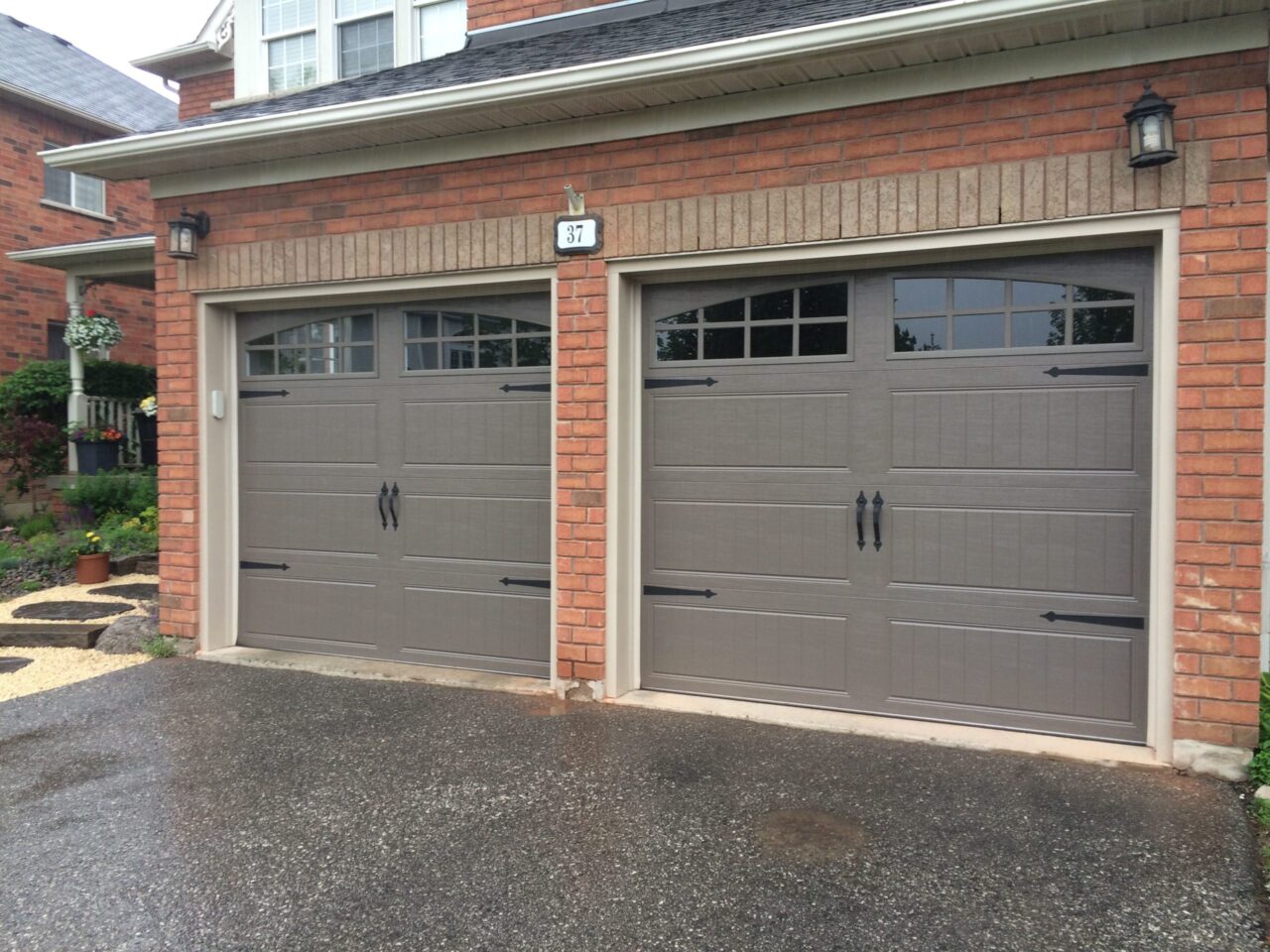
When upgrading or replacing your garage door, safety is probably high on your list. You’re balancing looks, durability, cost, and practicality, all while trying to protect your family, your vehicles, and everything stored inside. To achieve these, objectives, homeowners are paying closer attention to materials, especially tempered glass, which often gets overlooked until something goes wrong. Choosing safer materials for your doors will help you avoid risks you don’t want coming your way. Here are four advantages of using tempered glass during garage door installations.
Content
1. Reduced Risk of Serious Injury When Breakage Occurs
Let’s start with the most obvious safety concern: broken glass. Traditional glass can shatter into long, sharp shards that cause serious injuries. In a garage setting, where kids play, tools are stored, and cars move in and out, that’s a real problem.
Tempered glass behaves very differently when it breaks. Instead of splintering into dangerous shards, it crumbles into small, rounded pieces. It’s still not something you want to step on, obviously, but the risk of deep cuts or life-altering injuries is reduced.
Accidents happen fast. Your door may experience an impact from a basketball, a slipped ladder, or even temperature stress. Knowing the glass is designed to fail in a safer way gives you peace of mind, especially if your garage is part of daily family life.
2. Greater Resistance to Impact and Everyday Stress
Garages aren’t gentle environments. Doors get bumped, vibrations travel through the structure, and weather changes cause expansion and contraction. Regular glass can crack under stress.
Tempered glass is heat-treated to increase its strength, making it significantly more resistant to impact than standard glass. It can handle sudden force, pressure changes, and repeated use far better over time.
That added strength also reduces the chance of unexpected breakage. And preventing breakage is the best safety feature of all. Fewer cracks mean fewer emergencies, fewer repairs, and fewer moments where you’re dealing with broken glass when you least expect it.
3. Improved Structural Integrity for the Entire Door System
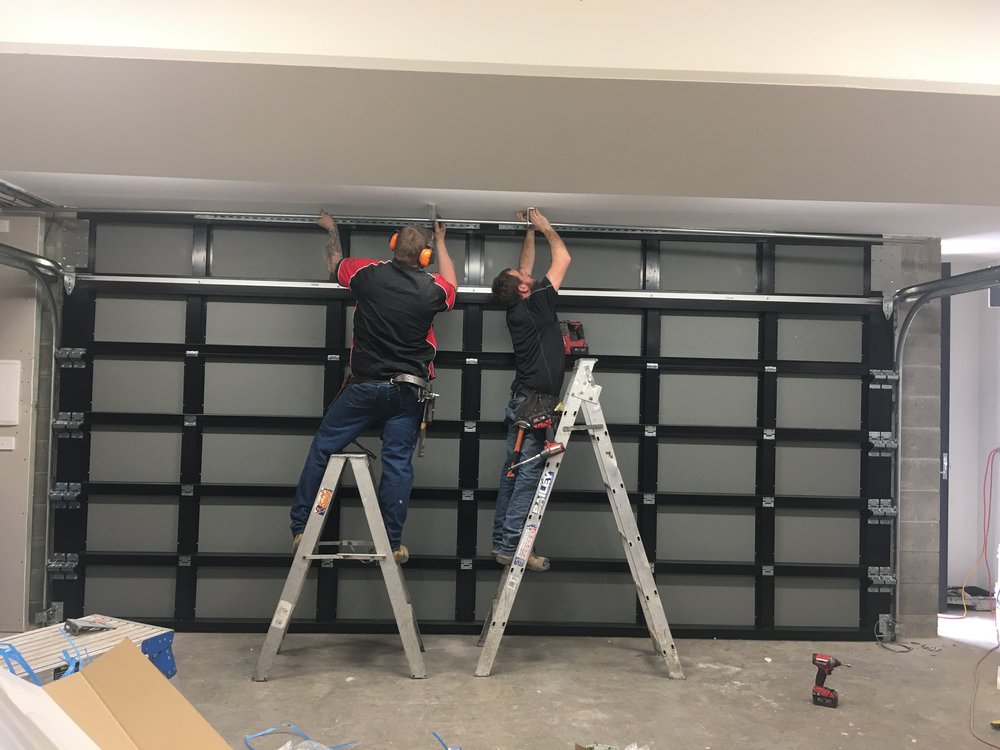
Garage doors are systems, not just panels. When one component fails, it can affect everything else including the tracks, the opener, even the surrounding frame. Weak materials create weak points, and glass panels are no exception.
Tempered glass contributes to overall door stability. Because it’s stronger and more consistent, it supports the door’s structure instead of becoming a liability. That means smoother operation and less stress on hinges, rollers, and lifting mechanisms.
With time, this can reduce the chance of sudden failures. Doors that move evenly and predictably are safer for everyone using them. You’ll not fight jams, jerks, or uneven movement that could cause injuries or damage to vehicles.
4. Better Performance During Extreme Weather Conditions
Weather is one of those things you can’t control, but you can prepare for it. High winds, temperature swings, and pressure changes all put stress on garage doors, especially those with glass panels.
Tempered glass handles these conditions better than standard glass. It’s designed to withstand thermal stress, meaning it’s less likely to crack when temperatures rise or drop quickly. That’s especially important if your garage faces direct sunlight or cold drafts.
In extreme cases, this resilience can prevent dangerous situations. A glass panel failing during a storm can expose your home, create sharp debris, and compromise security. Choosing stronger materials helps your garage door stay intact when conditions are less than ideal.
The Bottom Line
When you’re choosing materials for your garage door, it’s easy to focus on style or price first. Of course, those are vital. However, safety is the foundation everything else sits on. Tempered glass offers protection not just because it’s stronger, but because it fails more safely, lasts longer, and supports the entire door system more effectively.
Meet Jack, our garage guru. With a wrench in one hand and a can-do attitude in the other, he’s your go-to expert for all things repair and replacement.