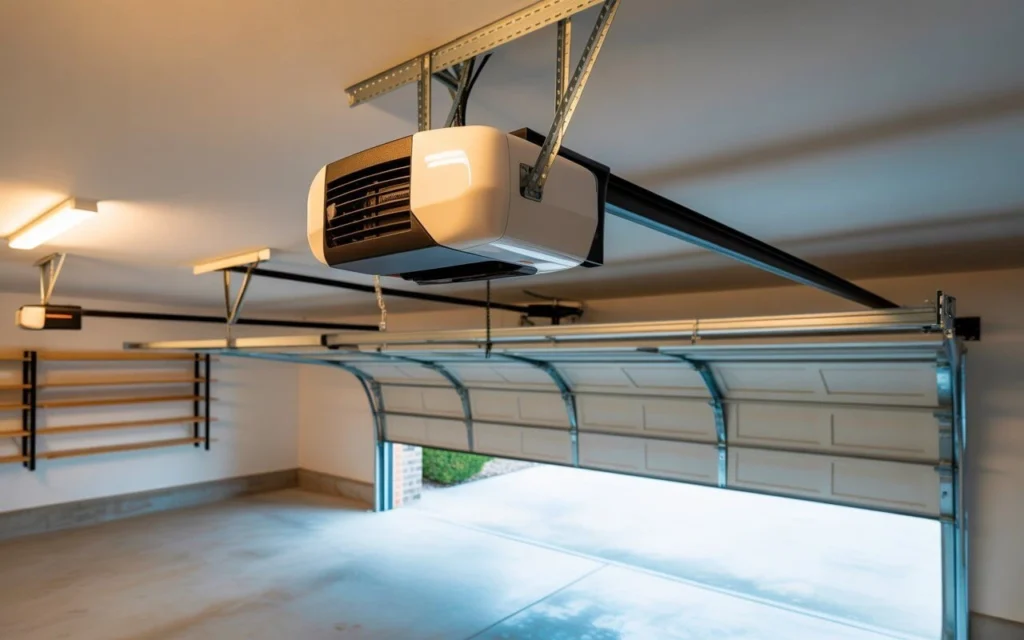
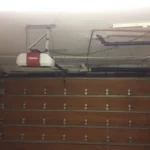
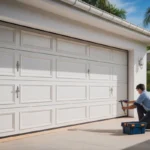
Installing a garage door opener might seem intimidating at first, especially if you’ve never tackled a project like this before. But with the right guidance, tools, and safety precautions, it can be a straightforward and rewarding DIY task. In this guide, we’ll walk you through how to install garage door opener yourself, step by step, while sharing tips, best practices, and real-life insights from my experience as a digital garage door expert.Whether you’re upgrading to an automatic opener or replacing an old system, this guide will ensure your garage door operates smoothly and safely for years to come.
Content
Essential Tools to Install Garage Door Opener Successfully
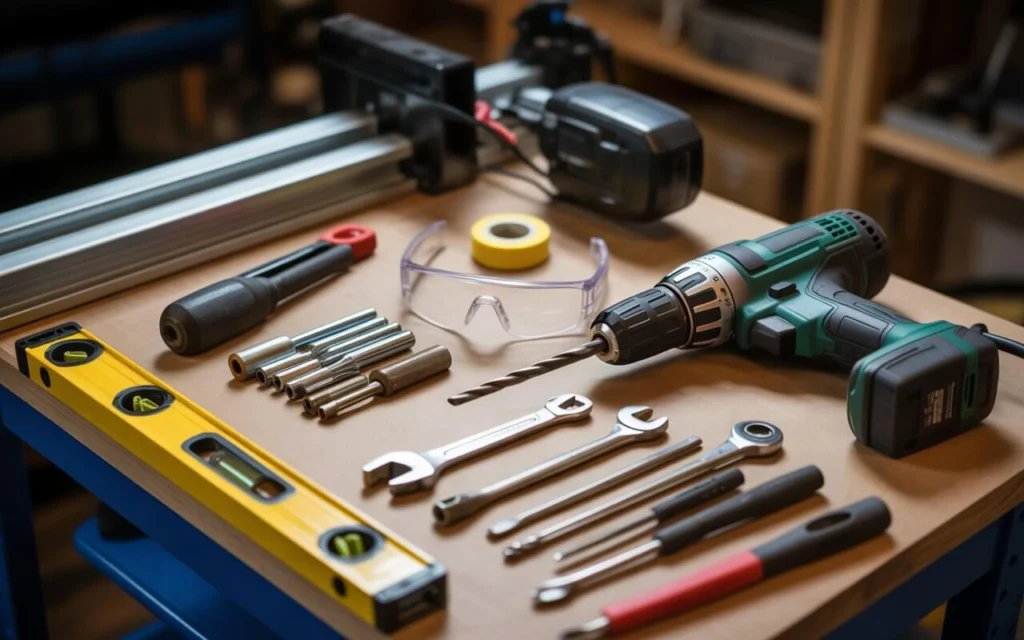
Before you start to install garage door opener, make sure you have the necessary tools. Proper preparation is key to avoiding frustration and ensuring safety. Here’s a checklist:
Electric drill and drill bits
Wrenches and screwdrivers
Ladder and measuring tape
Stud finder
Safety goggles and gloves
The garage door opener kit (rails, trolley, motor unit, remote, and mounting hardware)
Pro Tip: Make sure your garage door is balanced and well-lubricated before installing the opener. A misaligned or unbalanced door can damage the opener motor over time.
Step 1: How to Install Garage Door Opener: Choosing the Right Model
Before installation, select the opener that best suits your garage door and lifestyle. Consider the following:
Motor type: Chain-drive (budget-friendly, slightly noisy), belt-drive (quiet, durable), or screw-drive (low maintenance).
Horsepower rating: For heavier doors, a 1/2 HP or higher motor may be required.
Smart features: Wi-Fi connectivity and remote access can add convenience and security.
I often advise homeowners to read reviews and check compatibility before they install garage door opener. Selecting the right model upfront saves time and avoids unnecessary headaches.
Step 2: Preparing for Installation
Read the manual carefully: Each brand has specific instructions. Even experienced installers benefit from reviewing the manual.
Check garage structure: Ensure the ceiling can support the motor and rail assembly.
Plan power access: Garage door openers need a grounded outlet near the door’s center. If none exists, consider hiring a licensed electrician.
Real-Life Use Case: One of my clients, Mr. Ahmed from Dallas, attempted installation without checking ceiling support. The opener wouldn’t mount securely, and he had to redo the brackets. Proper preparation avoids these mishaps.
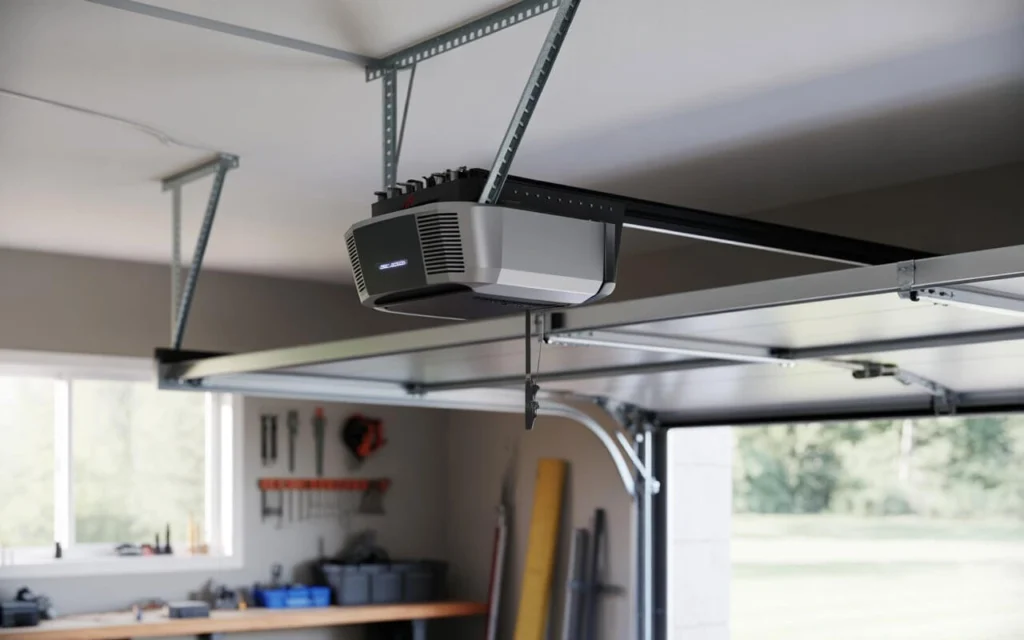
Step 3: Mounting the Opener and Rail Assembly
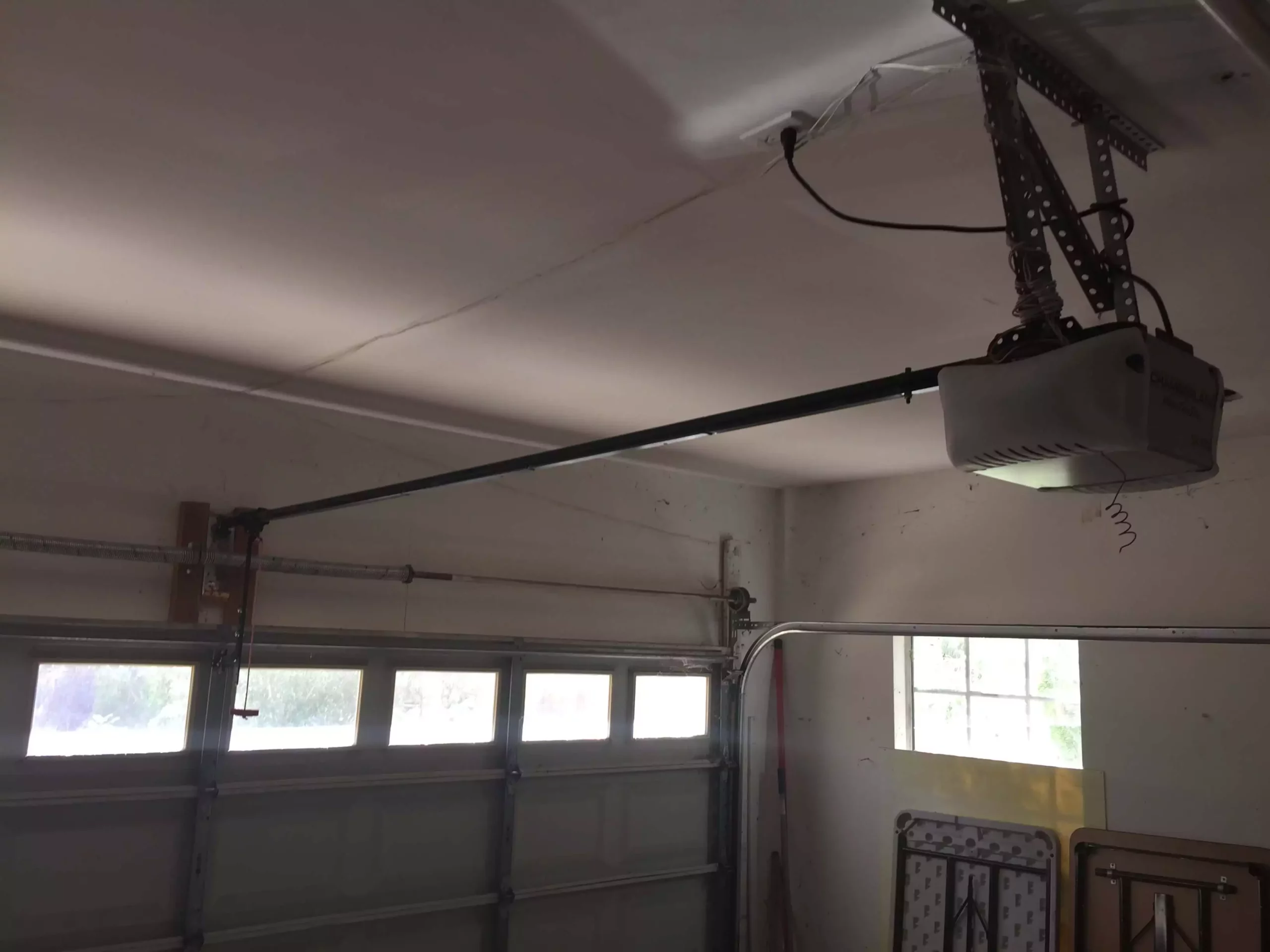
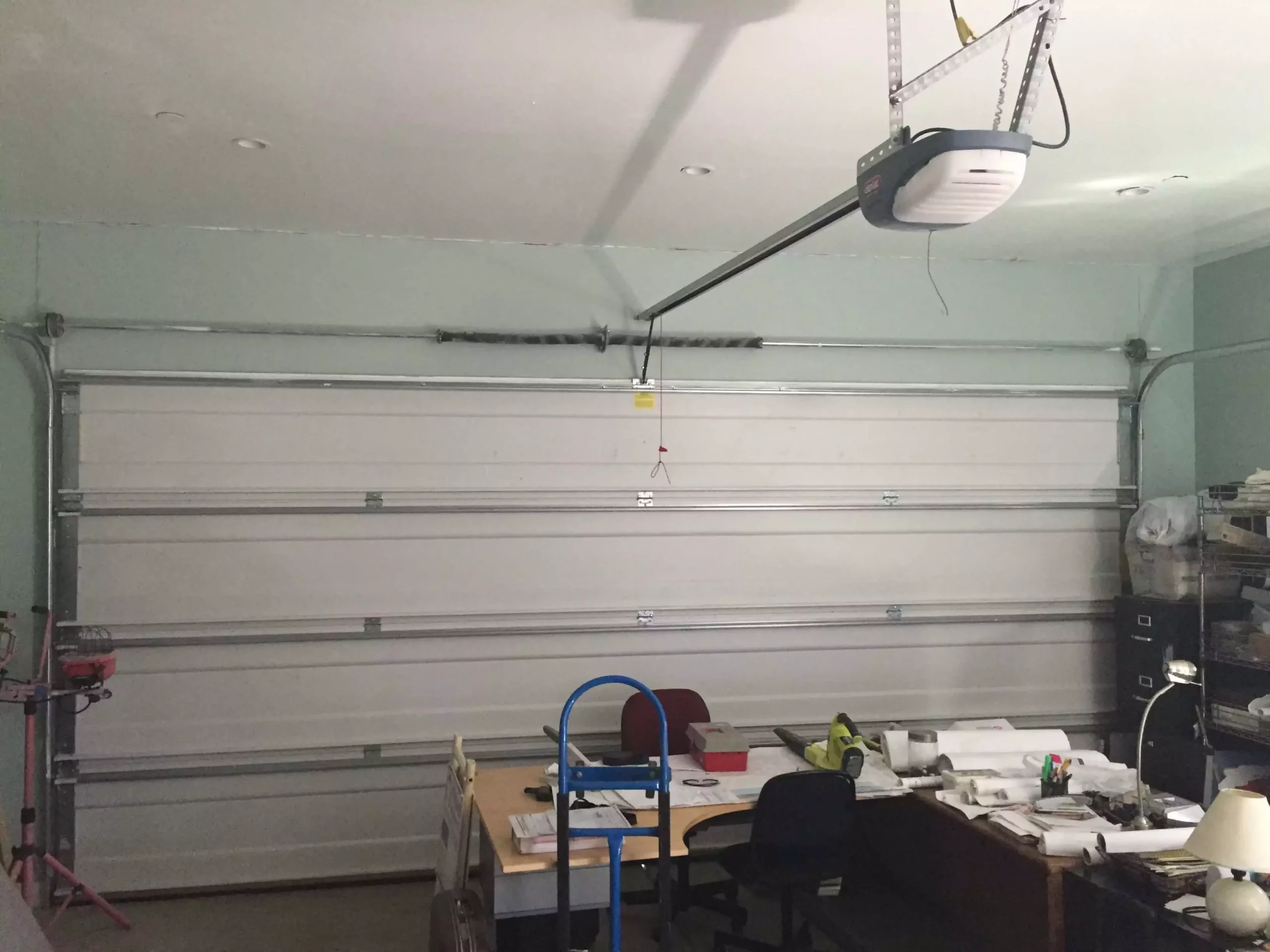
Attach the rail to the motor unit: Most kits have a preassembled rail that slides into the motor housing.
Mark the header bracket location: Measure carefully above the garage door to center the rail.
Install the header bracket: Secure it into the wall studs for maximum stability.
Lift the motor unit into place: Use a ladder and get help if necessary — the motor can be heavy.
This stage is where you begin to install garage door opener. Take your time and ensure every bolt is tightened correctly.
Step 4: Connecting the Trolley and Door Arm
The trolley connects your opener to the garage door:
Attach the trolley to the rail, ensuring it moves freely.
Connect the curved door arm to the trolley and the door itself.
Adjust the arm’s length according to the instructions; too tight or too loose can impair operation.
Safety Tip: Always disconnect power while adjusting or installing the trolley to prevent accidental activation.
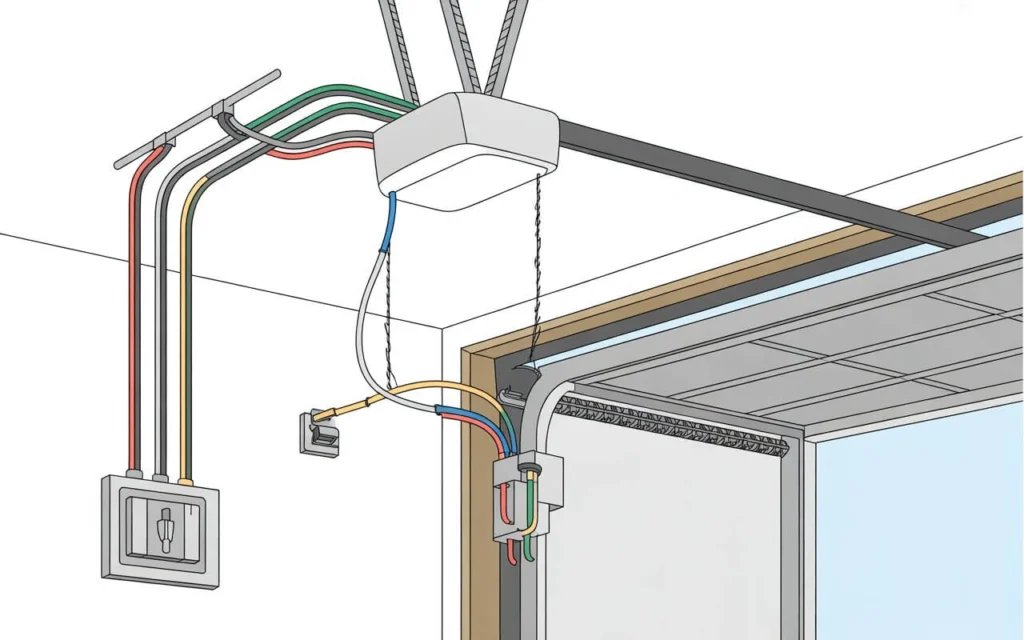
Step 5: Wiring Tips to Install Garage Door Opener Safely
Electrical wiring is straightforward if done carefully:
Install the wall control panel near the door entrance.
Connect the sensors at the base of the garage door tracks — these prevent the door from closing on objects or people.
Run the wires neatly along the ceiling or walls, securing them with cable clips.
Using proper wiring not only ensures safety but also prevents operational issues down the line.
Step 6: Testing and Adjusting Your Opener
Once installed, it’s time to test:
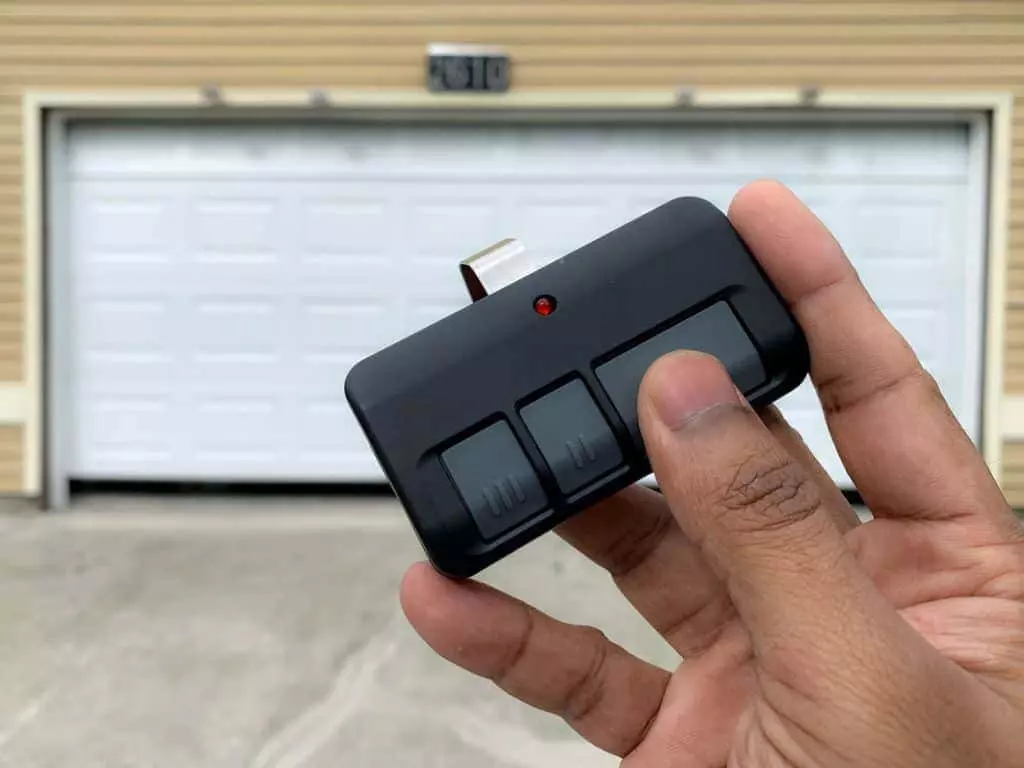
Plug in the motor and activate the remote.
Observe the door’s movement — it should open and close smoothly without jerking.
Adjust the limit and force settings on the motor unit if necessary.
Test safety sensors by waving an object in front of them; the door should reverse automatically.
Case Study Highlight: Sarah, a homeowner in Atlanta, followed these steps and initially had a door that didn’t fully close. Adjusting the travel limits resolved the issue instantly, proving the importance of fine-tuning after installation.
Safety Precautions to Keep in Mind
Safety is paramount whenever you install garage door opener, so always follow precautions carefully.
Always wear protective eyewear and gloves.
Never attempt installation alone — heavy components require at least two people.
Keep children and pets away from the work area.
Use a sturdy ladder and check for loose floor surfaces.
Safety first ensures the door operates reliably and protects both people and property.
Maintenance Tips After Installation
To prolong the life of your opener and garage door:
Lubricate moving parts every 6 months.
Check the balance of the door periodically.
Inspect and clean the safety sensors regularly.
Replace batteries in remotes yearly for consistent operation.
A well-maintained opener reduces repair costs and prevents unexpected failures, saving you time and money in the long run.
Common Mistakes to Avoid
Skipping the manual — even experienced installers should follow brand-specific guidelines.
Improper alignment of the trolley or rails — causes uneven wear and noise.
Forgetting to test safety sensors — risks injury and damage.
Ignoring maintenance — leads to costly repairs.
Real-Life Case Study: From DIY Frustration to Success
Mark, a homeowner in Denver, tried to install garage door opener by watching online videos. He struggled with mounting the motor and aligning the trolley, which led to a jammed door and a wasted weekend. After consulting a professional guide, Mark followed a step-by-step installation plan similar to this one. The result? His door opened smoothly, the sensors worked perfectly, and he gained confidence to perform future maintenance himself.This illustrates how a structured, detailed guide can transform a stressful DIY project into a manageable and even satisfying task.
Final Thoughts
Learning to install garage door opener doesn’t have to be daunting. By carefully preparing, following each step, and taking safety seriously, you can achieve professional-level results. Remember to choose the right opener, plan your installation carefully, and perform proper testing and maintenance.With patience and the right guidance, your automatic garage door installation will be smooth, safe, and efficient — giving you convenience, security, and peace of mind for years to come.
FAQs
How much does it usually cost to install a garage door opener?
The cost varies by type and features but generally ranges between $150–$500 for most homeowners.
Do I need a 1/2 or 3/4 HP garage door opener?
Choose 1/2 HP for standard doors and 3/4 HP for heavier or double garage doors to ensure smooth operation.
What is the lifespan of a garage door?
A well-maintained garage door can last 15–20 years, depending on usage, material, and maintenance.
Can someone open your garage door without a remote?
Modern openers with rolling codes are secure, but weak passwords or old models may be vulnerable.