
When it comes to upgrading your home, one element that often gets overlooked—but can make a huge difference—is your garage door. A modern, well-installed garage door not only enhances curb appeal but also provides security, energy efficiency, and convenience. If you’ve been curious about the garage door installation cost, you’re not alone—many homeowners find it tricky to estimate because so many factors come into play.
As a digital garage door expert who has helped homeowners across multiple states, I’ve seen firsthand how investing in a quality installation can save money over time. In this guide, we’ll break down everything you need to know, including materials, labor, and hidden factors, plus a real-life case study to make it easier to understand.
Content
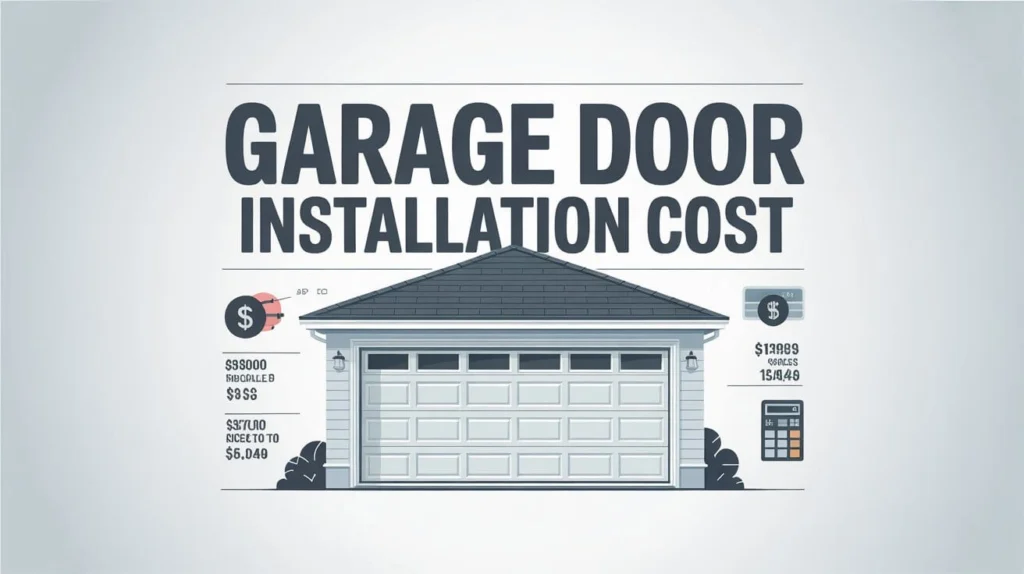
Average Garage Door Installation Cost
The cost of installing a new garage door can vary widely depending on the type, size, and material. On average:
- Single-car garage door: $700 – $1,500 (materials and labor)
- Double-car garage door: $1,200 – $2,800
- Premium insulated doors or custom designs: $3,000 – $5,500
These prices typically include standard labor costs, basic hardware, and installation. However, additional features like smart openers, decorative windows, or reinforced tracks can increase the cost.garage door installation cost with labor included is something homeowners should clarify before committing to a quote.
Key Factors That Affect Garage Door Installation Cost
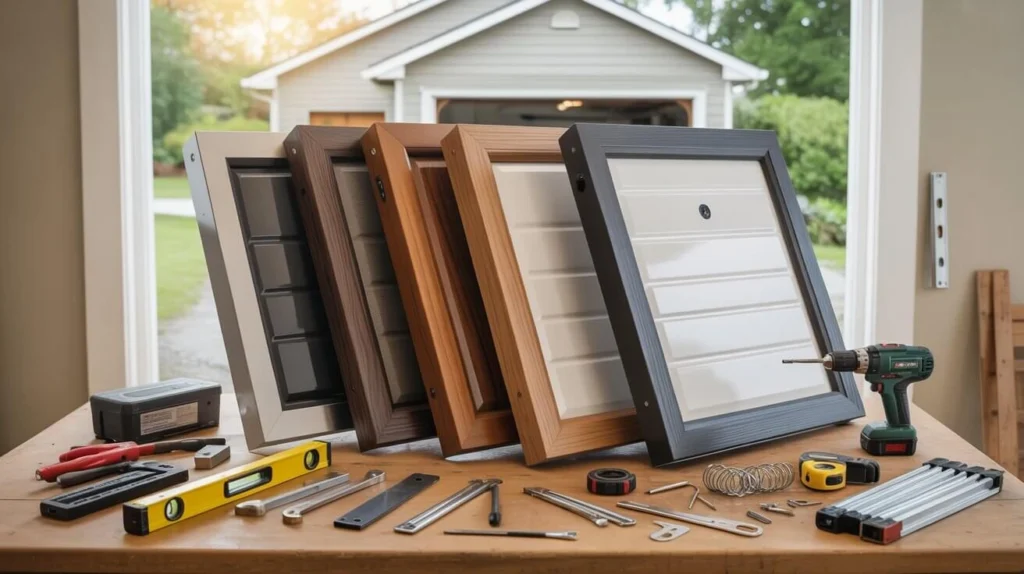
Understanding what influences pricing will help you plan your budget more accurately. Here are the main factors:
1. Material Choice
Your garage door’s material dramatically affects the installation cost:
- Steel: Durable, low-maintenance, $700 – $2,500
- Wood: Classic aesthetic but higher maintenance, $1,500 – $4,000
- Aluminum & Glass: Modern look, lightweight, $1,800 – $4,500
- Composite/Insulated: Energy-efficient, $2,000 – $5,500
garage door replacement price naturally fits here for readers comparing replacement options.
2. Door Size and Style
Larger doors require more materials and labor, increasing costs. Custom styles, carriage-house designs, or multi-panel doors often cost more than standard sectional doors.
- Standard single: 7 x 8 ft
- Standard double: 16 x 7 ft
Tip: Even minor customizations, like decorative windows, can add $200–$500.
3. Insulation and Energy Efficiency
Insulated doors are increasingly popular, especially in regions with extreme temperatures. Insulation improves energy efficiency and can reduce heating and cooling costs.
- R-value 6 – 12: Moderate insulation
- R-value 16+: Premium insulation for maximum efficiency
How much does insulated garage door installation cost?
4. Labor Costs
Labor costs vary depending on the installer’s experience, region, and complexity of the job. On average, labor can account for 30–50% of the total garage door installation cost. Professional installers ensure proper balance, spring tension, and safety compliance.
Pro tip: Hiring licensed professionals may cost slightly more upfront but prevents costly mistakes or safety hazards.
5. Additional Features
Extra components like smart garage door openers, Wi-Fi integration, or upgraded hardware can increase costs but add convenience and long-term value.
- Smart opener: $250 – $500
- Decorative hardware: $50 – $200
- Disposal of old door: $50 – $150
professional garage door services naturally fits here, emphasizing the value of expertise.
Real-Life Case Study: How Understanding Costs Made a Difference

Meet Sarah, a homeowner in Denver. She wanted a modern insulated steel garage door with a smart opener for her double-car garage. Initially, she received quotes ranging from $2,200 to $4,500. After understanding all the factors affecting garage door installation cost, she decided to:
- Compare door materials and choose steel with R-value 16 insulation.
- Opt for a mid-range smart opener compatible with her home automation system.
- Schedule installation during an off-season promotion, saving on labor costs.
The final cost came to $3,100, which fit her budget while providing high efficiency and modern functionality. Sarah’s experience highlights the importance of researching material, labor, and additional features before committing.
DIY vs Professional Garage Door Installation
Some homeowners consider a DIY garage door installation to save money. While this can reduce labor costs, it comes with risks:
- Incorrect spring tension may cause injuries or damage
- Improper installation can void manufacturer warranty
- Time-consuming for those without experience
Recommendation: Unless you have mechanical expertise, hiring a professional installer is safer and more efficient. DIY vs professional garage door installation cost can be addressed in this section to educate readers.
How to Get an Accurate Quote
To avoid surprises, here’s how to ensure you get a realistic estimate:
- Request multiple quotes from licensed installers.
- Ask for a detailed breakdown of labor, materials, and extra fees.
- Verify local permit requirements; some cities require inspection fees.
- Check reviews and references to ensure quality workmanship.
A garage door installation estimate can naturally fit when discussing quote accuracy.
Tips to Save on Garage Door Installation Costs
- Compare materials carefully; steel doors are cost-effective with long-term durability.
- Schedule installation in the off-season when labor demand is lower.
- Combine smart openers and energy-efficient doors in a single installation to save on labor costs.
- Reuse existing hardware when possible (tracks, springs, brackets).
Final Thoughts
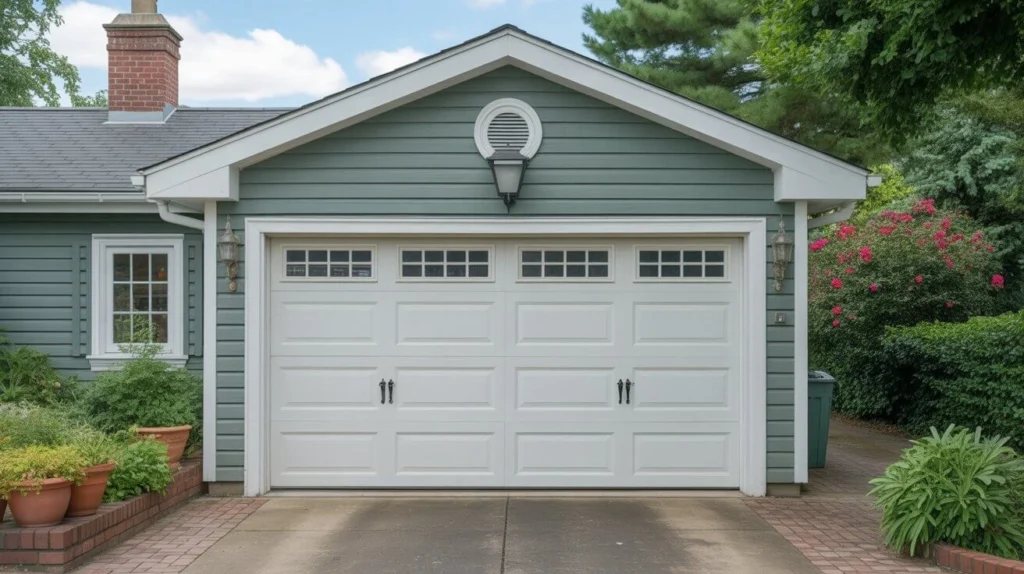
Investing in a quality garage door installation is about more than aesthetics; it’s about security, energy efficiency, and long-term value. By understanding the factors affecting garage door installation cost, comparing materials, and working with trusted professionals, homeowners can make informed decisions that save money and improve convenience.
It’s also wise to consider potential Garage door repair cost in the future, as proper installation today can help minimize maintenance and unexpected expenses later. Remember Sarah’s example—doing your homework and planning ahead ensures a smoother installation experience, fewer surprises, and better long-term savings.
FAQs
How long does a typical garage door installation take?
Most professional installations take 4–6 hours for standard doors and up to a full day for custom or double doors.
Do I need a permit for garage door replacement?
Local regulations vary. Many cities require a permit, especially if the door size changes or electrical components are added.
What is the average lifespan of a new garage door?
A quality garage door lasts 15–20 years with proper maintenance, while springs may need replacement every 7–10 years.
Can I install a smart garage door opener later?
Yes, smart openers can often be added to most existing garage doors, though installation costs vary.

Laura lives and breathes garage doors. She’s the one to turn to when you need insights on keeping your garage secure and functioning smoothly.