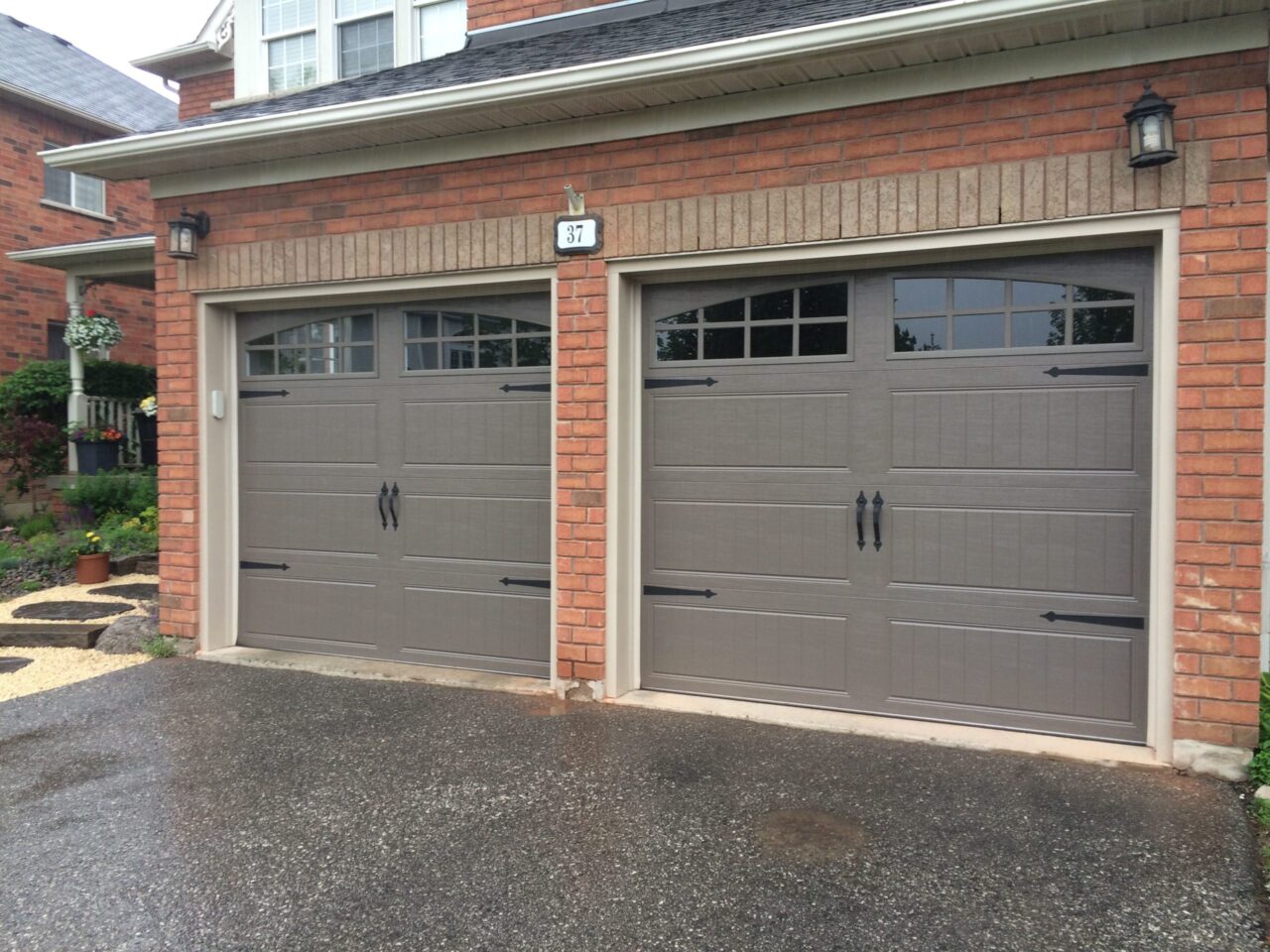
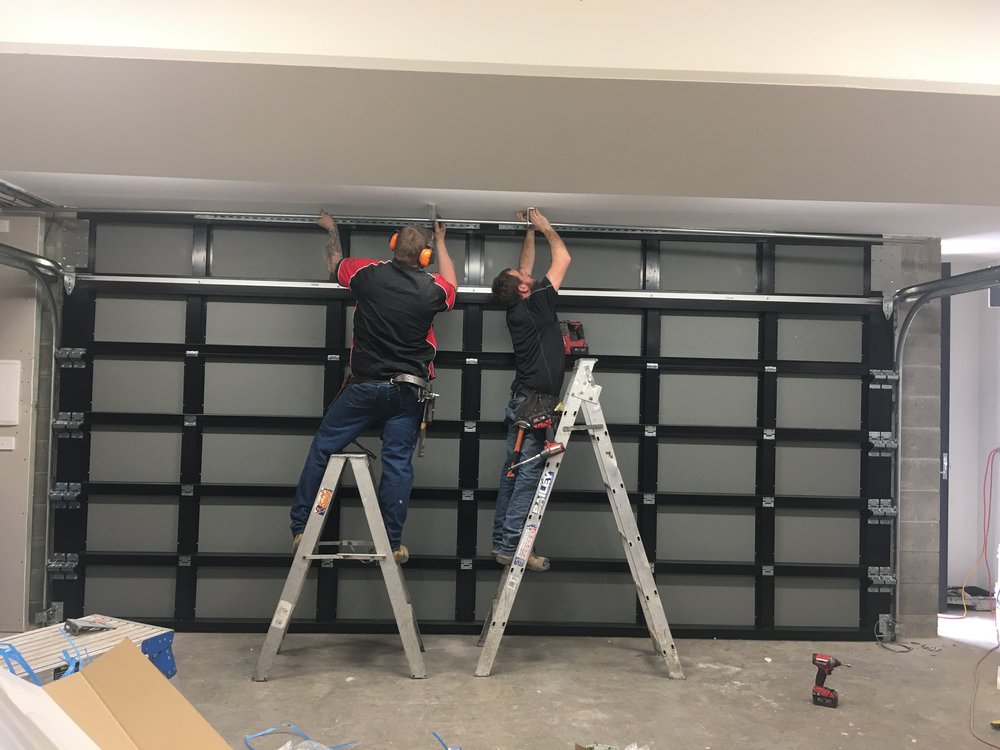
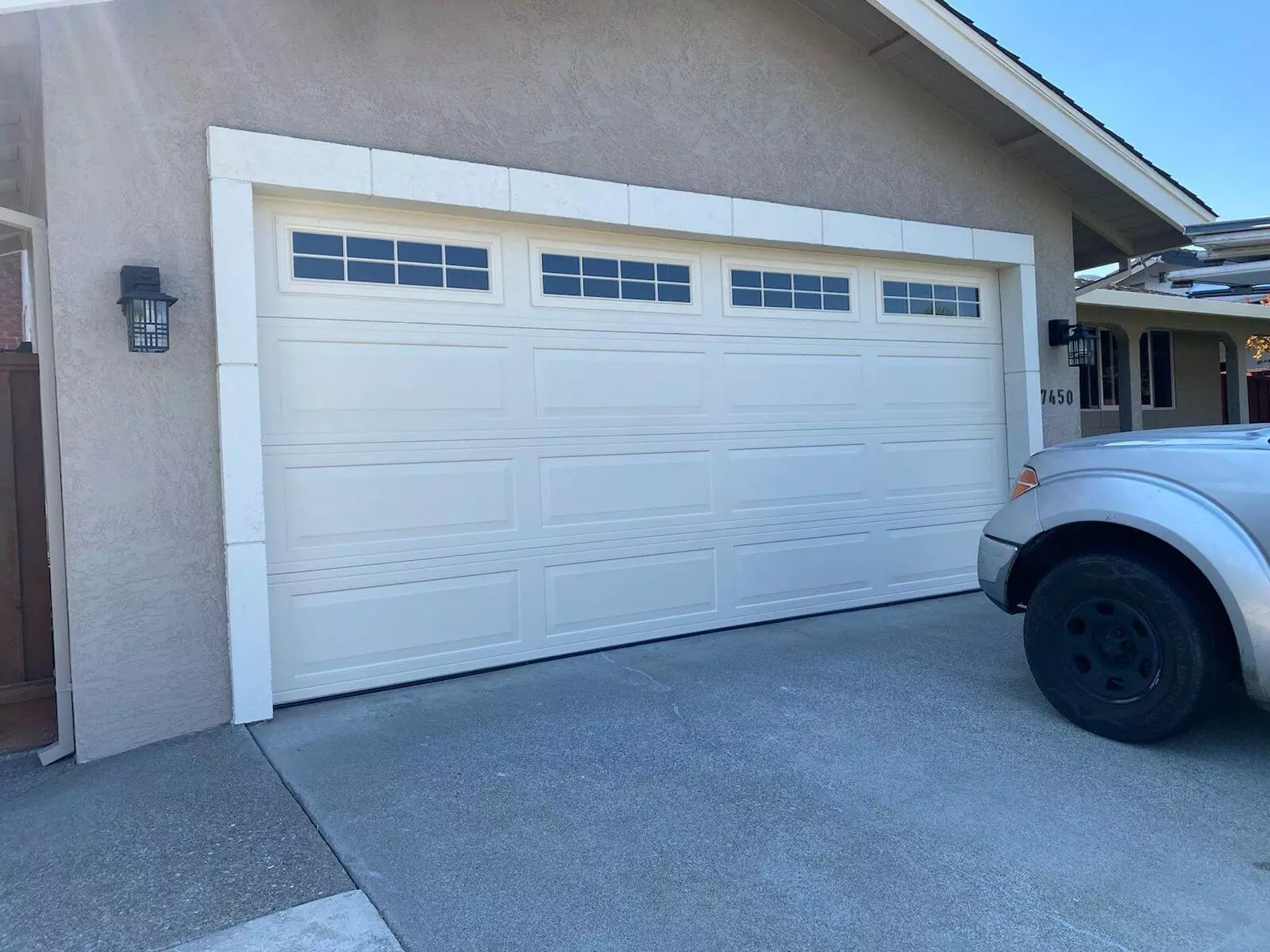
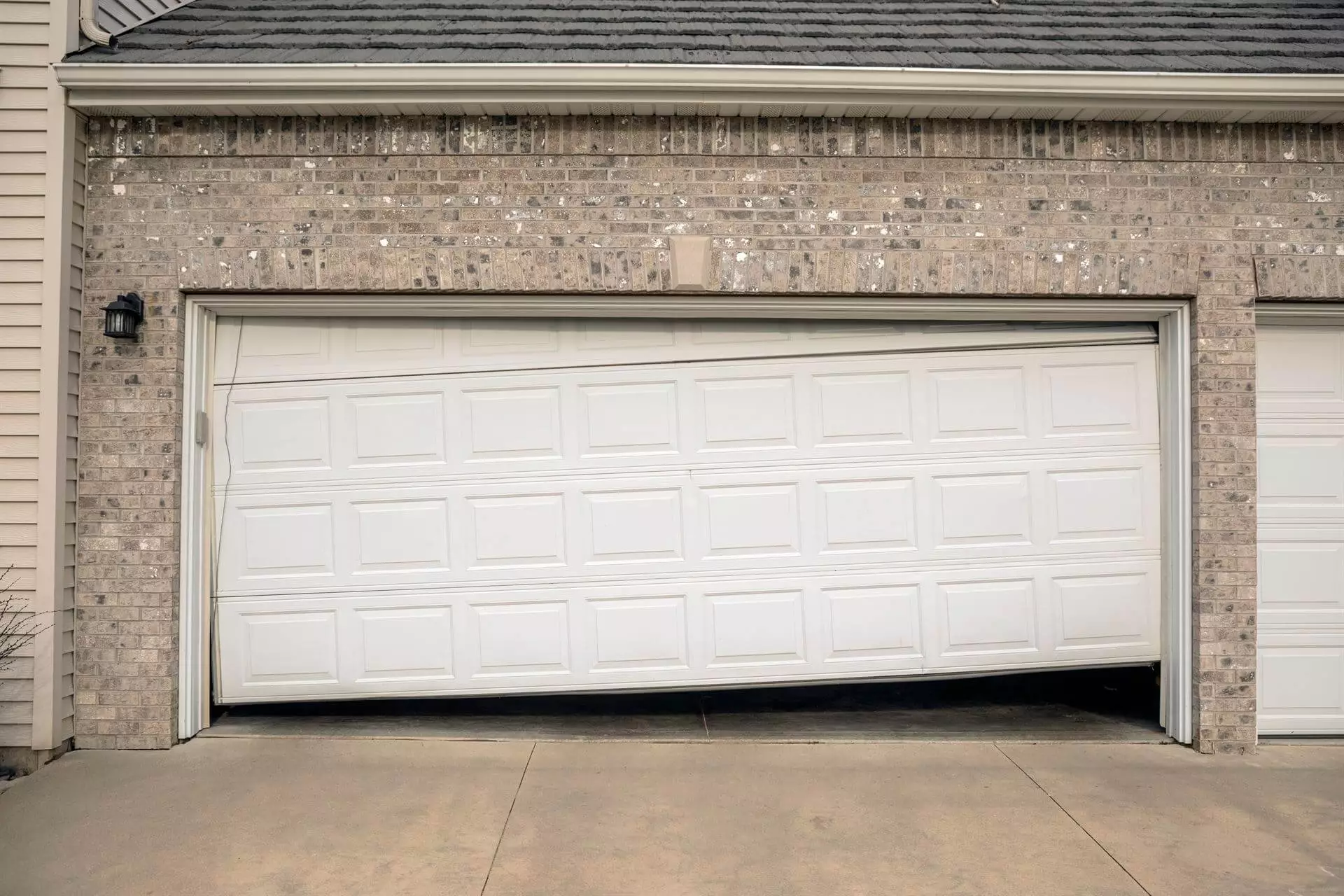
A damaged garage door panel often starts as something small—maybe a light dent from a car bumper or a crack after a strong storm—but over time, it can quietly turn into a bigger structural issue. In my years of working with residential garage systems under Digital Garage Doors, I’ve noticed that most homeowners wait too long before addressing panel damage, which usually increases repair costs and reduces safety.Understanding garage door panel replacement early can save you from unnecessary expenses, improve home security, and extend the life of your entire garage door system.
Content
What Garage Door Panel Replacement Actually Means
A garage door is made up of multiple horizontal sections, also called panels, that move together when the door opens or closes. When one section gets damaged, you don’t always need to replace the entire door.
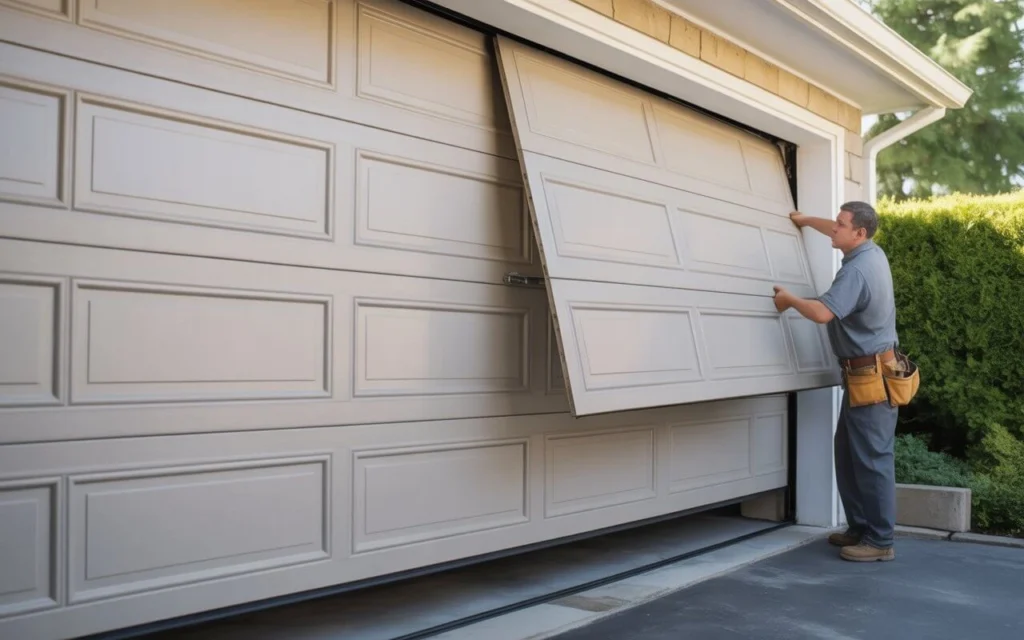
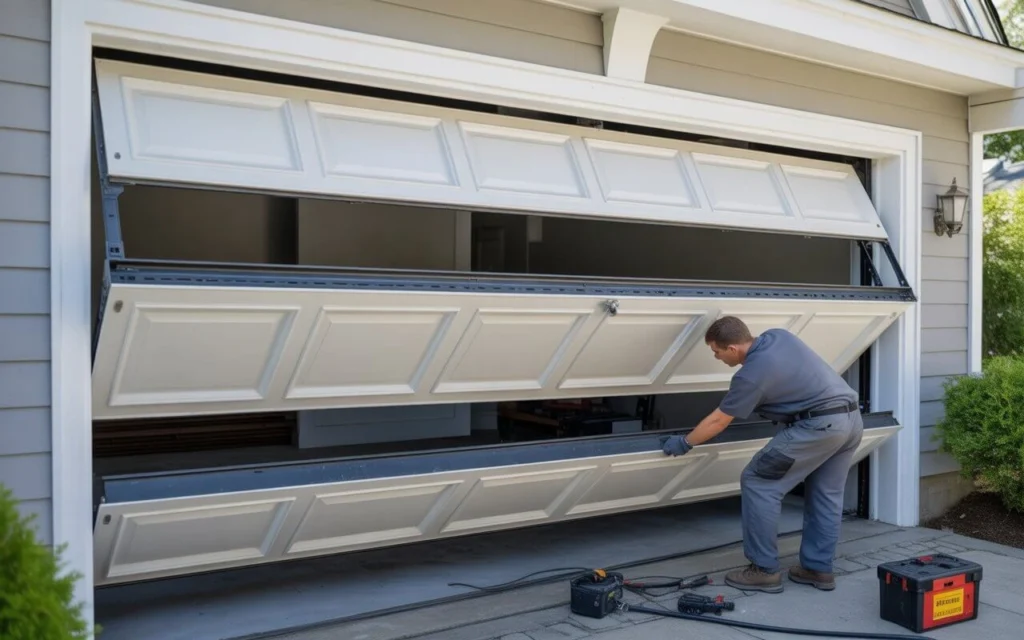
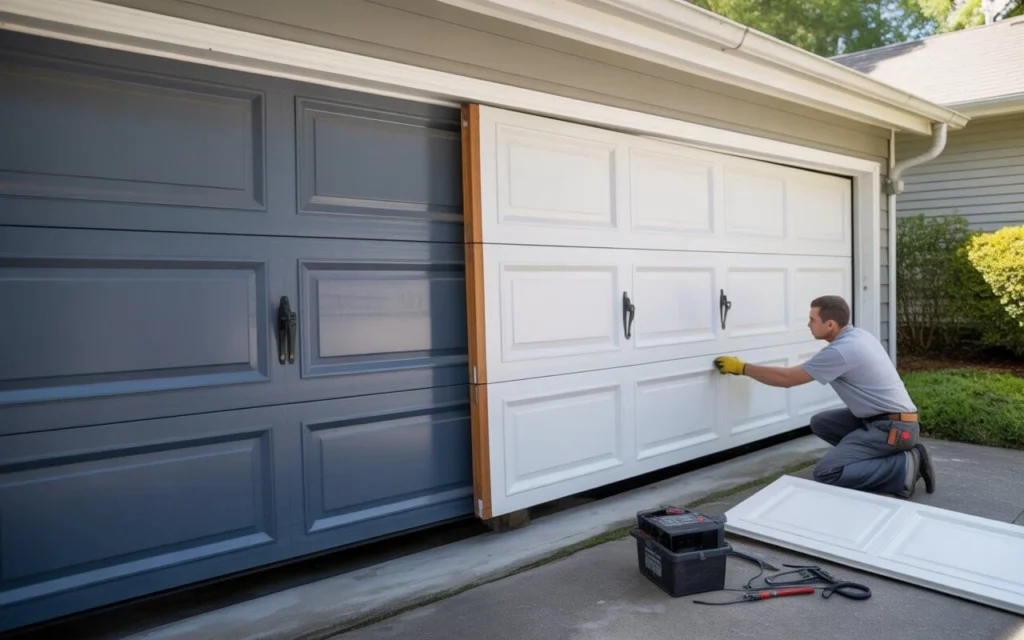
Garage door panel replacement simply means removing the damaged section and installing a new matching panel while keeping the rest of the door intact.This is most common in sectional doors where damage is isolated to one or two panels instead of the whole system. In many cases, it is a cost-effective solution compared to full replacement.
Why Garage Door Panels Get Damaged
From my field experience, garage door panel replacement is usually needed because panel damage doesn’t happen randomly. It’s often caused by a combination of daily wear and unexpected incidents.
Common reasons include:
Accidental vehicle impact
Weather exposure like hailstorms or heavy winds
Rust and moisture buildup over time
Poor lubrication leading to pressure stress
Aging materials losing structural strength
Misaligned tracks causing uneven movement
When these issues are ignored, they often lead to more serious problems requiring full system repair.
Garage Door Panel Replacement Warning Signs You Shouldn’t Ignore
Many homeowners assume a dented garage door is just a cosmetic issue, but it often signals deeper damage.Here are clear signs that indicate you may need garage door repair panels or full replacement:
Door feels heavy or unbalanced when opening
Visible cracks, dents, or bending in one section
Loud grinding or scraping noises
Gaps between panels allowing light or air leaks
Rust spreading across metal sections
Door not closing smoothly or sticking midway
If you notice any of these issues, it’s time to inspect whether a garage door panel replacement is enough or if more extensive work is required.
Garage Door Panel Cost: What You Should Expect
One of the most frequently asked questions I get is about pricing. Homeowners often search for how much does it cost to replace garage door panels, and the answer depends on several factors.
Typical cost factors include:
Door material (steel, aluminum, wood, composite)
Panel size and design matching requirements
Labor charges in your local area
Availability of manufacturer-specific parts
Extent of structural damage
On average, garage door panel cost can be significantly lower than replacing an entire door, especially if only one section is affected. However, older doors sometimes make it difficult to find matching panels, which can increase expenses.
Repair vs Full Replacement: Making the Right Decision
A common dilemma homeowners face is whether to repair or replace the entire door system. The decision often depends on damage severity and door age.Many people ask directly: garage door panel replacement vs full door replacementHere’s a practical breakdown based on real-world cases:
Choose panel replacement when:
Only one panel is damaged
Door structure is still stable
Tracks and opener function properly
Matching replacement panels are available
Choose full replacement when:
Multiple panels are damaged
Door is over 15–20 years old
Structural alignment is compromised
Frequent repairs are becoming costly
In many situations, replacing a single section is enough to restore both function and appearance.
DIY vs Professional Replacement Approach
Homeowners often search for a DIY garage door panel replacement guide, hoping to save money. While it may seem straightforward, this task requires technical precision.
DIY Approach:
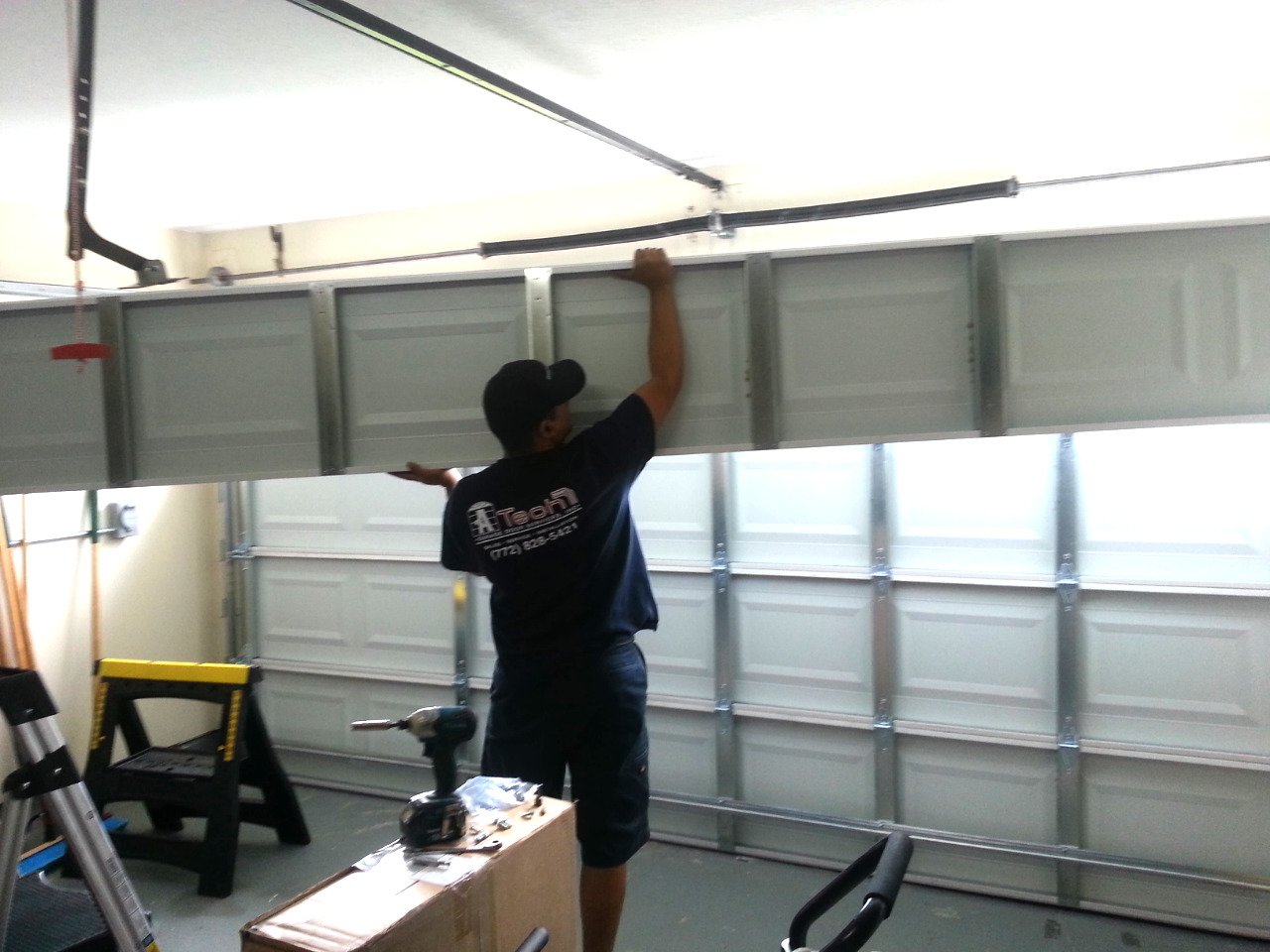
It involves removing bolts, disconnecting tension systems, and aligning the new panel properly. However, garage doors are under high tension, especially in spring systems, making DIY risky without proper tools and experience.
Professional Service:
A trained technician ensures:
Safe removal and installation
Proper alignment with existing panels
Balance testing for smooth operation
Prevention of future mechanical strain
From my experience, DIY attempts often lead to misalignment issues that end up costing more than hiring a professional initially.
When to Choose Garage Door Panel Replacement Instead of a Full Door Replacement
A major decision point for homeowners is understanding when to replace garage door panels instead of whole door.The general rule is simple:
If damage is localized → replace panels
If system-wide wear is visible → replace entire door
Replacing panels is ideal when the rest of the system is still functioning efficiently, including components like springs, tracks, and even your universal garage door remote. However, if the door is outdated or frequently breaking down, full replacement becomes more practical, especially when older systems struggle to stay compatible with modern accessories like a universal garage door remote.
Maintenance Tips to Extend Panel Life
Preventive care plays a huge role in avoiding costly repairs. Based on my field observations, most panel failures can be delayed or prevented with simple maintenance habits.
Garage door maintenance tips include:
Regular lubrication of moving parts
Cleaning panels to prevent rust buildup
Inspecting alignment every few months
Avoiding forceful manual operation
Scheduling annual professional inspection
These small steps help maintain smooth operation and reduce stress on individual garage door panel replacement needs over time.
Real-Life Case Study: A Homeowner’s Smart Repair Decision
A few months ago, I visited a homeowner in a suburban area who had accidentally reversed into their garage door. The bottom panel was visibly bent, but the door still opened.
Initially, the homeowner considered replacing the entire door, assuming the damage was too severe. After inspection, we found that the tracks, opener, and upper panels were in excellent condition.Instead of a full replacement, we recommended garage door section replacement for just the damaged bottom panel.
Outcome:
Cost reduced by nearly 60% compared to full replacement
Installation completed within a few hours
Door function fully restored
Exterior appearance matched perfectly
The homeowner later shared that this garage door panel replacement decision saved them both money and time while maintaining the original door structure. This is a perfect example of why proper assessment matters before making costly decisions.
Overhead Door Panel Repair in Real Scenarios
In many homes, especially those using sectional systems, overhead door panel repair becomes necessary after years of wear and tear. These repairs often involve adjusting alignment, replacing worn sections, and ensuring smooth vertical movement.In most cases, addressing panel damage early prevents strain on the motor and spring system, which helps avoid expensive breakdowns later.
Final Practical Insight from Experience
In real-world garage door maintenance, timing is everything. Ignoring minor damage often leads to major system failure, while early garage door panel replacement can extend the lifespan of your entire setup significantly—and reduce strain on your garage door opener.
From dents to misalignment, each issue tells a story about your door’s condition. The key is to respond early, choose the right repair method, and ensure your garage door opener continues operating smoothly alongside properly aligned panels. This prevents additional wear on the motor and tracks.
If approached correctly, panel replacement is not just a repair—it’s a smart investment in safety, performance, and long-term cost savings, especially when it helps preserve the efficiency of your garage door opener.
FAQs
Can I buy one panel for my garage door?
Yes, a single garage door panel replacement is possible if the panel matches your door model and design.
What are garage door panels called?
They are called sections or door sections, commonly used in sectional garage doors.
Can you replace parts of a garage door?
Yes, parts like panels, springs, and rollers can be replaced without changing the full system.
Are garage door panels a standard size?
No, sizes vary by brand and model, so exact measurement is needed before replacement.
What material are garage door panels made of?
They are usually made of steel, aluminum, wood, or composite materials.