A garage door is more than just an entryway to your home—it is a sophisticated machine combining mechanical and electrical components to ensure smooth operation. Among all these parts, garage door springs play a crucial role. They bear the weight of the door, making it easier to lift manually or with a motorized opener. In this article, we’ll explore their types, how they work, maintenance tips, safety considerations, and how to know when to replace them. By the end, you’ll have a complete understanding of this vital garage door component.
Content
What Are Garage Door Springs?
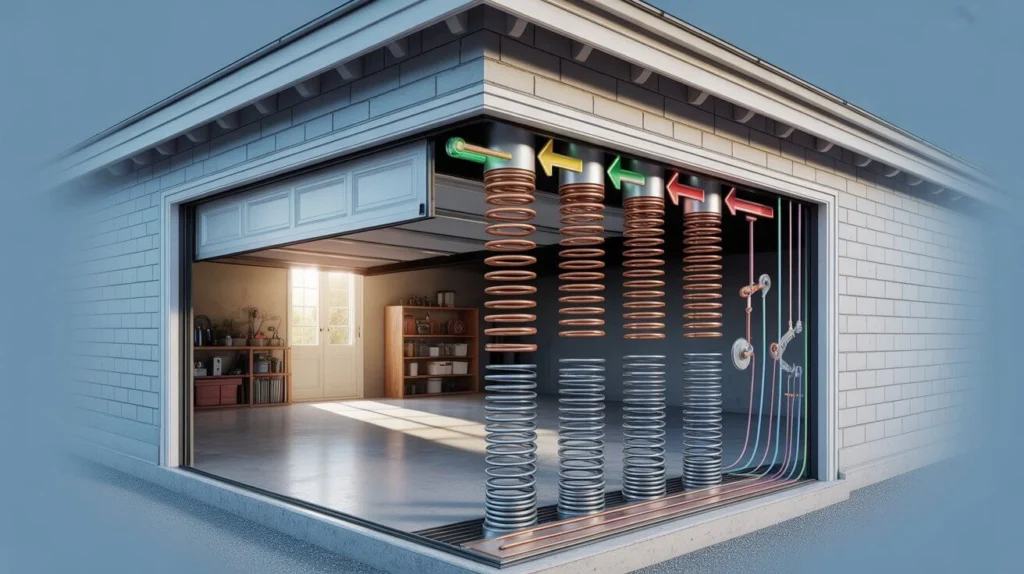
Garage door springs are mechanical devices designed to absorb and store energy, which is then used to lift and lower your garage door smoothly. Without these springs, even a relatively lightweight door would be extremely difficult or impossible to lift by hand. The springs act as a counterbalance system, offsetting the weight of the door and reducing stress on the opener.
Springs are under immense tension during operation, which is why understanding their function and handling them safely is essential. They are usually hidden within the garage door’s framework, but their condition significantly affects the door’s performance.
Types of Garage Door Springs
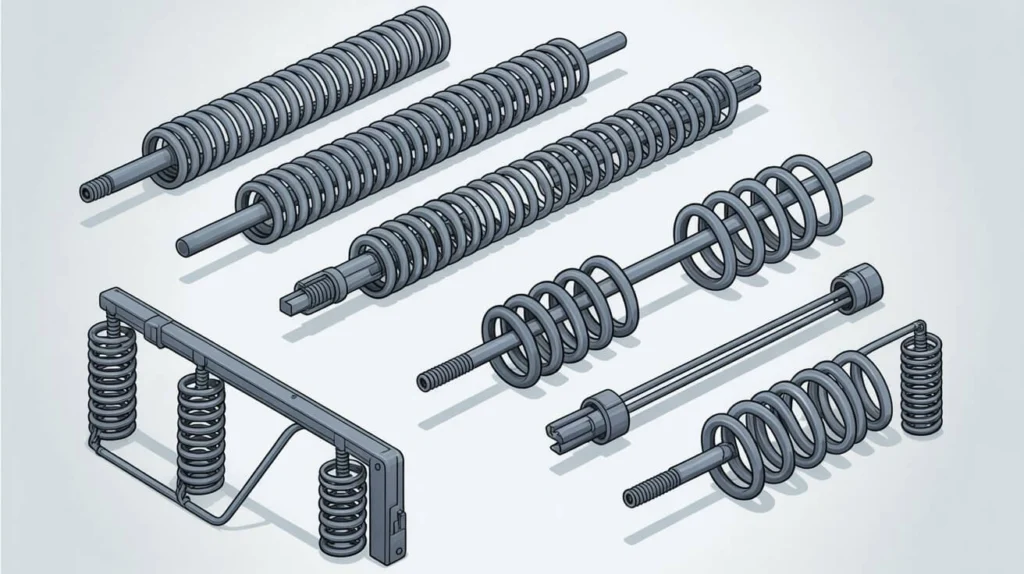
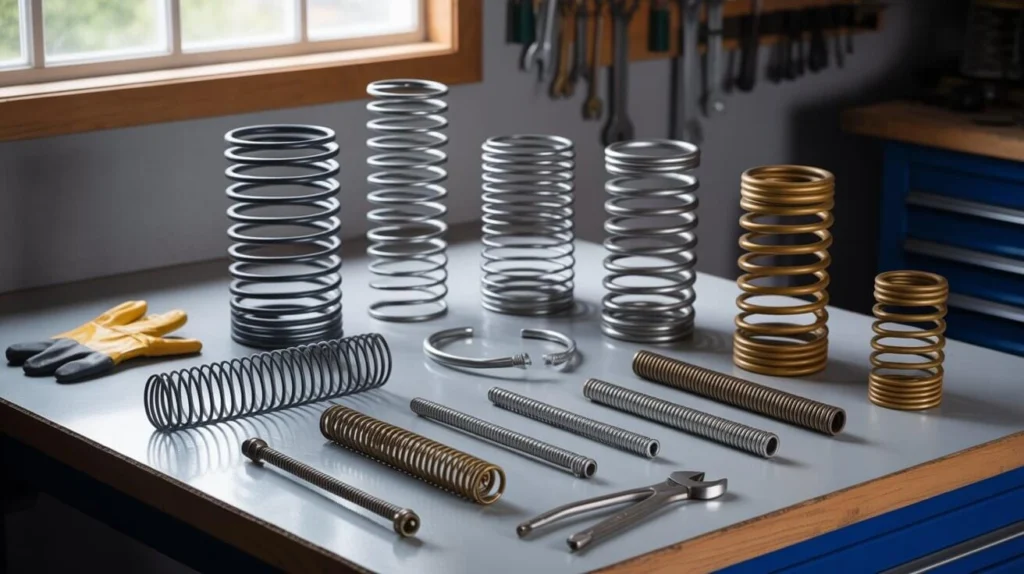
Garage doors typically use two main types of springs: torsion springs and extension springs. Each has a different mechanism and is suitable for specific door designs.
Torsion Springs
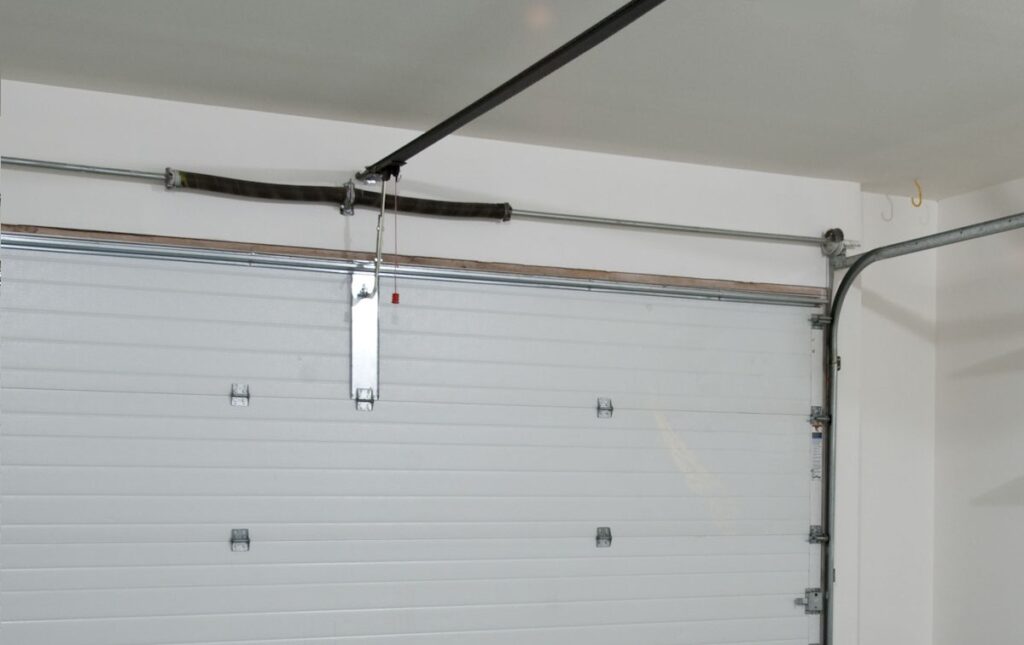
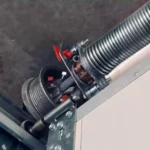
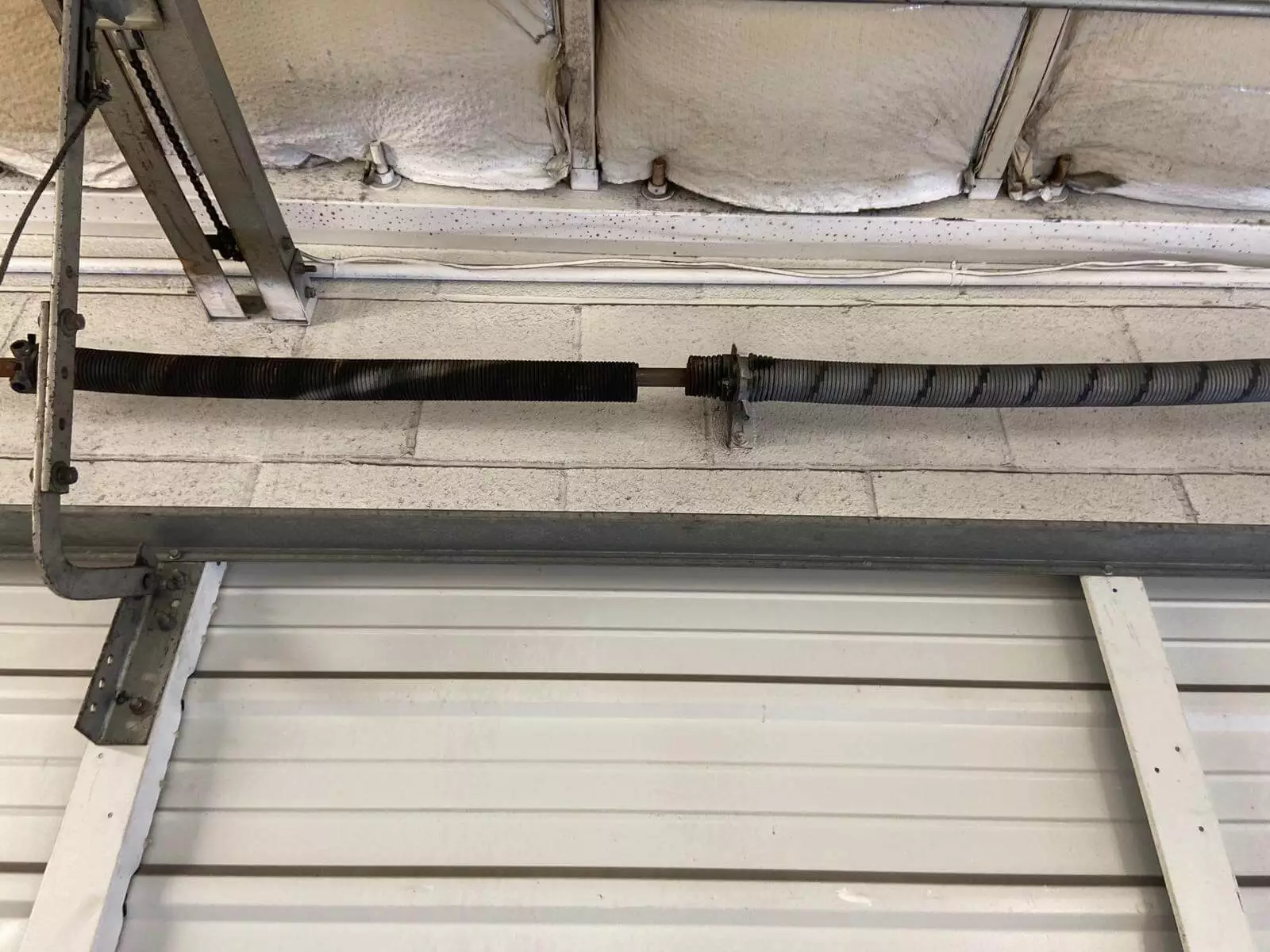
Torsion springs are the most common and widely used type of garage door springs. These springs are mounted above the door opening on a metal shaft. They function by twisting and generating torque, which lifts the door.
Key Features of Torsion Springs:
Available in different sizes and lengths to match door dimensions.
Designed to last longer than extension springs, often up to 10,000 cycles or more.
Provide smooth and controlled operation due to consistent torque.
Usually safer than extension springs because fewer parts are exposed.
When the door opens, torsion springs unwind and release stored energy, helping lift the door. When closing, they rewind, storing energy for the next operation. Their strength and durability make them ideal for heavier garage doors and high-traffic garages.
Extension Springs
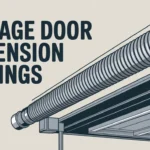
Extension springs work differently. They stretch along the horizontal tracks on either side of the door and create a counterbalance as the door moves. These springs are ideal for garages with low headroom because they do not require space above the door for installation.
Key Features of Extension Springs:
Stretch outward to lift the door.
Typically installed on both sides of the door for balanced weight distribution.
Store energy as the door closes and release it when opening.
Require safety cables to prevent injury in case of spring failure.
While extension springs are effective, they are generally considered less durable than torsion springs. The exposed design also makes them potentially hazardous if they break without proper safety measures.
How Garage Door Springs Work
Understanding how these springs function helps you appreciate their role in the smooth, daily operation of your garage door.
Lifting the Door: When the door is closed, torsion or extension springs are under maximum tension. Opening the door releases this energy, assisting the motor or your hand in lifting it effortlessly.
Lowering the Door: As the door closes, the springs absorb energy and prevent the door from slamming down. This counterbalance reduces wear on the opener and ensures smooth operation.
Balancing the Weight: A standard garage door can weigh 150–300 pounds. Springs take on most of this weight, making it safe for the opener to operate the door and reducing the effort required for manual lifting.
Without properly functioning springs, your garage door could become heavy, noisy, and dangerous to operate.
Warning Signs Your Garage Door Needs New Springs
Garage door springs are durable, but like any mechanical part, they wear out over time. Here are common signs to watch for:
Difficulty in Opening or Closing: If the door feels heavier than usual, your springs may be losing tension.
Visible Gaps or Broken Coils: Inspect the springs for any visible damage; a gap in a torsion spring means it has broken.
Loud Noises: Grinding, snapping, or squeaking sounds often indicate worn-out or rusted springs.
Uneven Door Movement: If one side of the door moves slower than the other, the springs may be unbalanced.
Prompt replacement is crucial. Attempting to operate a door with broken springs can damage the opener and pose serious injury risks.
Safety Tips for Handling Garage Door Springs
Garage doors are under extreme tension, and mishandling them can cause severe injuries. Always follow these safety tips:
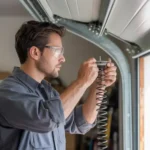
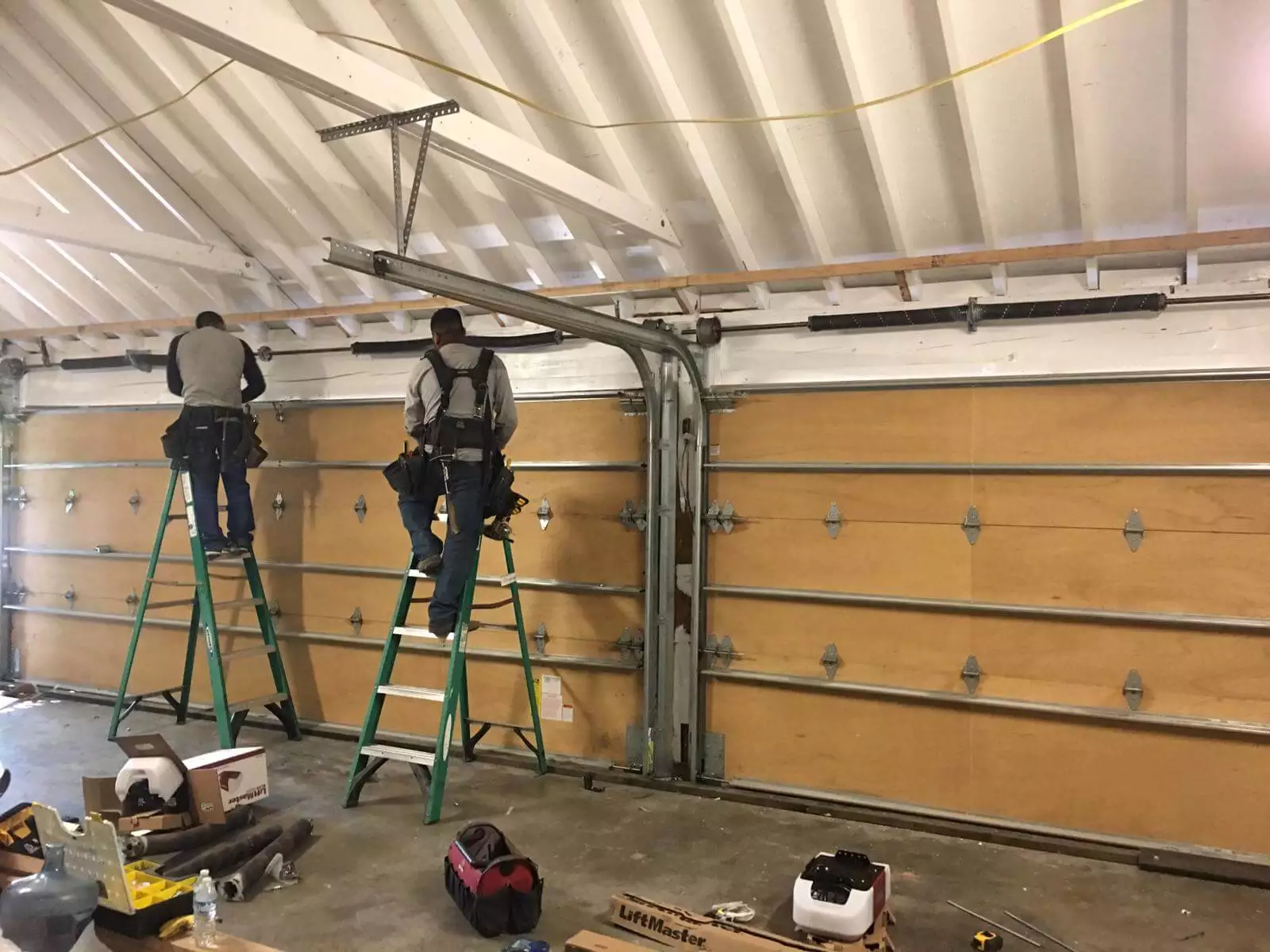
Avoid DIY Repairs: Unless you are trained, leave spring replacement to professionals.
Use Proper Tools: Springs require winding bars and other specialized tools; using incorrect tools can be dangerous.
Wear Protective Gear: Safety glasses and gloves are essential to prevent injuries from snapping springs.
Check Safety Cables: For extension springs, always ensure safety cables are installed to contain a broken spring.
Regular Inspections: Periodically check for rust, wear, or loose hardware to prevent accidents.
Keeping Your Garage Door in Top Shape
Regular maintenance extends the life of your garage door springs and ensures smooth operation.
Lubrication: Apply garage door-specific lubricant to reduce friction and prevent rust. Avoid using general-purpose oils, as they may attract dust.
Cleaning: Keep the spring area free from debris to prevent interference with movement.
Professional Inspection: Have a qualified technician inspect your springs annually to ensure optimal performance.
Balanced Door Test: Disconnect the opener and manually lift the door halfway. It should stay in place; if it falls or rises, the springs may need adjustment.
Choosing the Right Garage Door Springs
Consider these factors before picking springs for your garage door
Door Weight: Heavier doors require stronger springs with higher torque ratings.
Cycle Life: Springs are rated by cycles; one cycle equals one full opening and closing. Choose springs rated for your expected usage.
Material: High-quality steel springs resist rust and last longer.
Compatibility: Ensure the springs match your door type and opener system.
Choosing the right springs ensures safe, efficient, and long-lasting operation.
Conclusion
Garage door springs are vital components that make operating your garage door safe and effortless. Whether you have torsion or extension springs, understanding their function, maintenance, and safety requirements is essential for any homeowner. Regular inspection, lubrication, and timely replacement can prevent accidents and prolong the lifespan of your door system.
Investing in high-quality springs and professional installation ensures smooth, quiet, and reliable operation for years to come. Remember, while springs may seem small compared to the rest of your garage door system, they carry a huge responsibility—without them, your door would be nearly impossible to use safely.
FAQs
What is a garage door spring?
A garage door spring is a mechanical part that helps lift and lower your door safely and smoothly.
What is the price of a garage door spring?
Garage door springs typically cost between $50 and $200, depending on type, size, and brand.
Can I replace the garage door spring myself?
Replacing a garage door spring yourself is risky; it’s safest to hire a professional.
How many types of garage door springs are there?
There are two main types of garage door springs: torsion springs and extension springs.
Meet Jack, our garage guru. With a wrench in one hand and a can-do attitude in the other, he’s your go-to expert for all things repair and replacement.